 Postgrad Spain
How to Meet People and Build Community as a Student in Spain
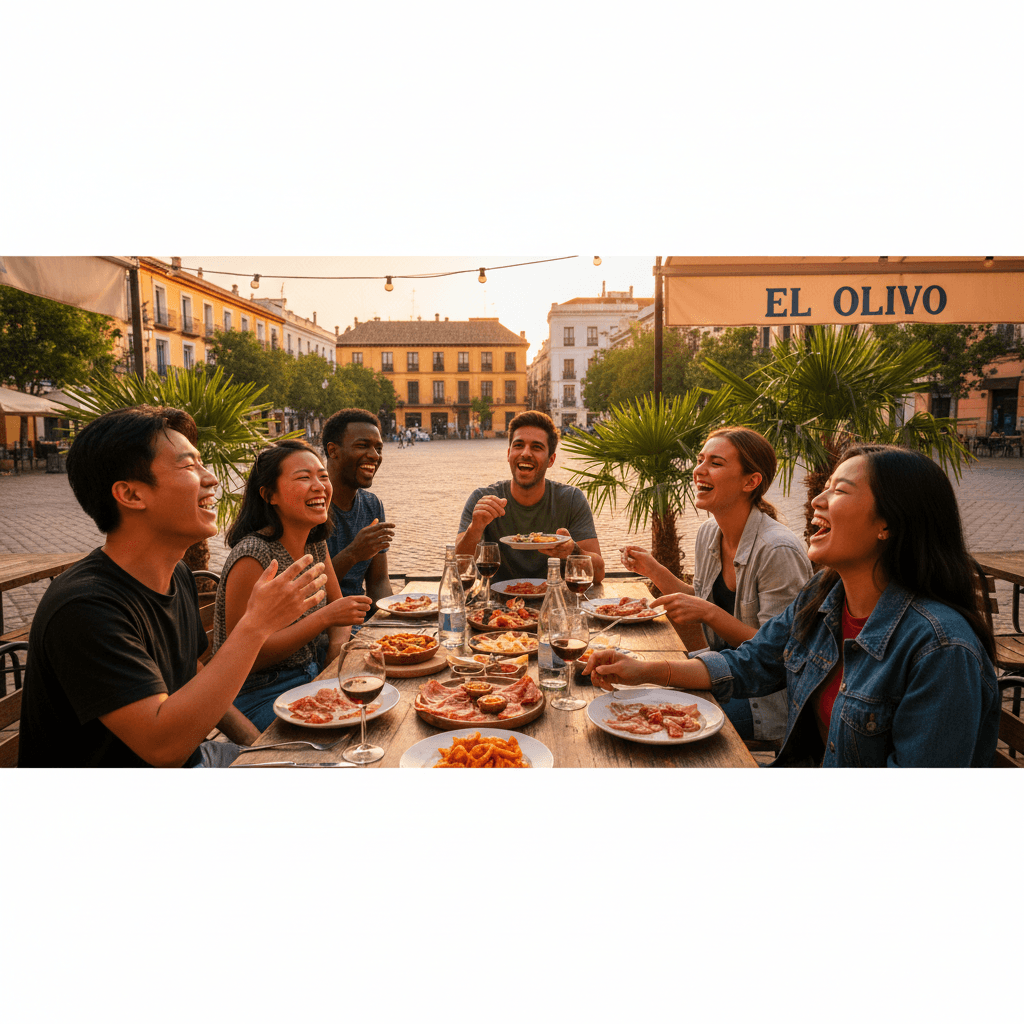
You can have the perfect university, the perfect apartment, and the perfect visa situation, but if you are lonely, none of it matters much. Building a social life in a new country is one of the most important and least discussed parts of studying abroad.
Here is the honest truth: it takes effort. Your social circle will not build itself just because you are in an exciting new city. But Spain, more than most countries, makes it easier to connect with people once you know where to look and once you push past the initial discomfort of being new.
This guide covers practical strategies for meeting people and building real community as an international postgraduate student in Spain.
The Loneliness Curve: What to Expect
Before diving into strategies, let us be honest about what the first few months look like for most international students.
Weeks 1-2: Everything is exciting. You are exploring the city, taking photos, trying new food. The novelty keeps loneliness at bay.
Weeks 3-6: The honeymoon ends. You start missing your friends and family back home. The administrative tasks (visa, bank, empadronamiento) are stressful and isolating. Your classmates seem to already have friend groups.
Months 2-3: This is the trough. Many students feel genuinely lonely at this point. Social media makes it look like everyone else is having an amazing time, which makes it worse.
Months 3-6: If you have been putting yourself out there, things start to click. You have a few regular people you see. You have a routine. You know your neighborhood.
Month 6+: You have a real social life. Not the same one you had at home, but something meaningful.
This curve is not a failure. It is normal. Almost every international student experiences it. Knowing this in advance helps because when you hit the low points, you understand they are temporary.
The Erasmus Student Network (ESN) and International Student Groups
ESN
The Erasmus Student Network is the single biggest organized social network for international students in Europe. Almost every Spanish university city has an ESN section that organizes:
- Welcome events and orientation weeks
- City tours, trips, and cultural visits
- Parties and social gatherings
- Language exchange events (tandem)
- Sports activities
- Volunteer opportunities
Important note: ESN is not just for Erasmus students. Most sections welcome all international students, including postgraduate and non-EU students. The name is misleading — just show up.
How to find your local ESN: Search "[your city] ESN" on Instagram or Facebook. Most sections are very active on social media.
Other International Student Organizations
- International student associations at your university. Most universities have official international student clubs or associations. Check your university's student affairs office.
- City-specific international groups. Facebook groups like "Internationals in Madrid" or "Expats in Valencia" are active and welcoming. They organize regular meetups.
- National communities. If you want to connect with people from your home country, there are usually specific community groups (Colombian students in Barcelona, Moroccan students in Madrid, etc.). These can provide comfort and cultural familiarity, but try not to stay exclusively within your national bubble.
Language Exchanges (Intercambios / Tandem)
Language exchanges are one of the best ways to meet both Spanish locals and other internationals. The concept is simple: you spend half the time speaking Spanish and half the time speaking your native language.
Where to Find Them
- University language centers. Most universities organize free tandem programs where you are matched with a Spanish student who wants to practice your language.
- Meetup.com. Search for language exchange events in your city. Madrid, Barcelona, and Valencia have multiple weekly events.
- Apps: Tandem, HelloTalk, and Conversation Exchange connect you with language partners.
- Bars and cafes with organized events. Many bars host weekly language exchange nights. In Madrid, try the events at various bars in Malasana and La Latina. In Barcelona, check out events in the Born and Gracia neighborhoods.
Why Language Exchanges Are So Effective
Unlike other social events, language exchanges have a built-in structure that eliminates the awkwardness of approaching strangers. Everyone is there to talk. Everyone expects to be approached. And you have an automatic conversation topic: language and culture.
Many students report that their closest friendships in Spain started at language exchange events.
University Life: Clubs, Sports, and Departmental Events
Student Clubs and Associations
Spanish universities have a rich club culture, though it works differently than in the US or UK. Look for:
- Delegaciones de estudiantes: Student government bodies that organize events, parties, and activities
- Asociaciones culturales: Cultural clubs covering everything from cinema to hiking to debate
- Equipos deportivos: University sports teams, often organized through the servicio de deportes
- Volunteer groups: University-based volunteering with local NGOs
The key is to go in the first two weeks. Clubs recruit actively at the start of each semester and become harder to join later.
Sports Leagues and Activities
- University sports services (servicio de deportes): Most Spanish universities offer heavily subsidized sports activities — gym access, group classes, competitive leagues. An annual sports membership often costs under 100 EUR.
- Municipal sports facilities (polideportivos): City-run sports centers with pools, gyms, and courts. Monthly memberships are typically 20-40 EUR.
- Pickup sports: Football (soccer) pickup games happen in parks across every city. Show up at a park with your boots and you will get invited to play. Basketball courts are also common.
- Running clubs: Free running groups are active in most cities. Search for "running [city name]" on Meetup or Instagram.
Sports are one of the fastest ways to build consistent social contact because you see the same people every week.
Departmental and Academic Events
Do not underestimate the social side of your academic department. Attend:
- Departmental seminars and guest lectures (even if the topic is not exactly your field)
- Conference receptions and post-lecture drinks
- Research group social events
- Doctoral/postgraduate social gatherings
These are lower-key but valuable because you meet people in your field, which can lead to both friendships and professional connections.
Meetup.com and Facebook Groups
These are underrated resources for international students in Spain.
Meetup.com
Search for groups related to your interests in your city. Common categories that attract international-friendly crowds:
- Hiking and outdoor activities
- Language exchanges
- Tech and startup events
- Photography walks
- Board game and pub quiz nights
- Yoga and wellness groups
The quality varies, but the best Meetup groups create genuine community over time. Attend the same group three or four times and you will start recognizing regulars.
Facebook Groups
Facebook remains the most active social platform for expat and international student communities in Spain. Useful groups to join:
- "Internationals in [city]"
- "[Your nationality] in Spain"
- "Erasmus [city] [year]"
- University-specific student groups
These groups are good for finding roommates, buying/selling furniture, getting recommendations, and hearing about events.
Volunteering
Volunteering is one of the most reliable ways to build meaningful connections while doing something purposeful. Options include:
- NGOs: Organizations like Cruz Roja (Red Cross), ACNUR, and local food banks welcome volunteers.
- Environmental groups: Beach cleanups, urban gardening projects, and sustainability initiatives.
- Tutoring and mentoring: Help younger students or recently arrived immigrants with language support.
- Animal shelters: If you miss your pets, volunteer at a local protectora de animales.
Volunteering also looks good on your CV and helps you practice Spanish in a real-world context.
Honest Advice for the Hard Parts
It Is Normal to Feel Lonely
Saying "just put yourself out there" is easy; doing it when you are tired, homesick, and your Spanish is not great is hard. Acknowledge that loneliness is a normal part of the process, not a personal failure.
Quality Over Quantity
You do not need fifty friends. You need two or three people you can call when you have a bad day. Focus on deepening a few connections rather than collecting contacts.
Mix Your Social Circles
The most common mistake is socializing exclusively with people from your home country or only with other internationals. Both are comfortable, but you will miss out on the richest part of living in Spain: connecting with Spanish people and their culture.
Aim for a mix: some friends from home for comfort, some international friends who understand the expat experience, and some Spanish friends who help you integrate more deeply.
Say Yes More Than You Want To
In the first two months, say yes to almost every social invitation, even when you are tired. You cannot predict which random event will lead to your closest friendship.
Use WhatsApp
Spain runs on WhatsApp. When you meet someone you click with, exchange numbers and message them. Instagram follows are passive. WhatsApp messages are active. "Hey, want to grab a coffee this week?" is all it takes.
Be Patient With Spanish Social Culture
Spanish people are warm and welcoming but their social circles are often tight-knit and established. It can take longer to be invited into a Spanish friend group than you expect. This is not rejection — it is just how social life works here. Persistence and consistency pay off.
City-by-City Quick Notes
Madrid: Huge international community. Endless events. The risk is paradoxically feeling overwhelmed by options rather than lacking them. Malasana, La Latina, and Lavapies are the most international-friendly neighborhoods for socializing.
Barcelona: Very international but can feel cliquish. The beach and park culture makes casual socializing easy. Gracia and El Born are great neighborhoods for meeting people.
Valencia: Smaller, tighter community. Easier to form deep connections but fewer organized events. The beach culture and Turia park create natural social spaces.
Seville: Strong local culture that is welcoming once you break in. Flamenco, feria, and tapas culture create natural social touchpoints. Smaller international community than Madrid or Barcelona.
Granada: Tight-knit international student community. Affordable nightlife in the Albaicin area. The tapas culture (free tapas with every drink) makes casual socializing easy and cheap.
Postgrado Espana helps international students with every aspect of the move to Spain — including connecting you with alumni and current students. Book a free consultation and start building your network before you arrive.


