 Postgrad Spain
Student Associations and Clubs at Spanish Universities
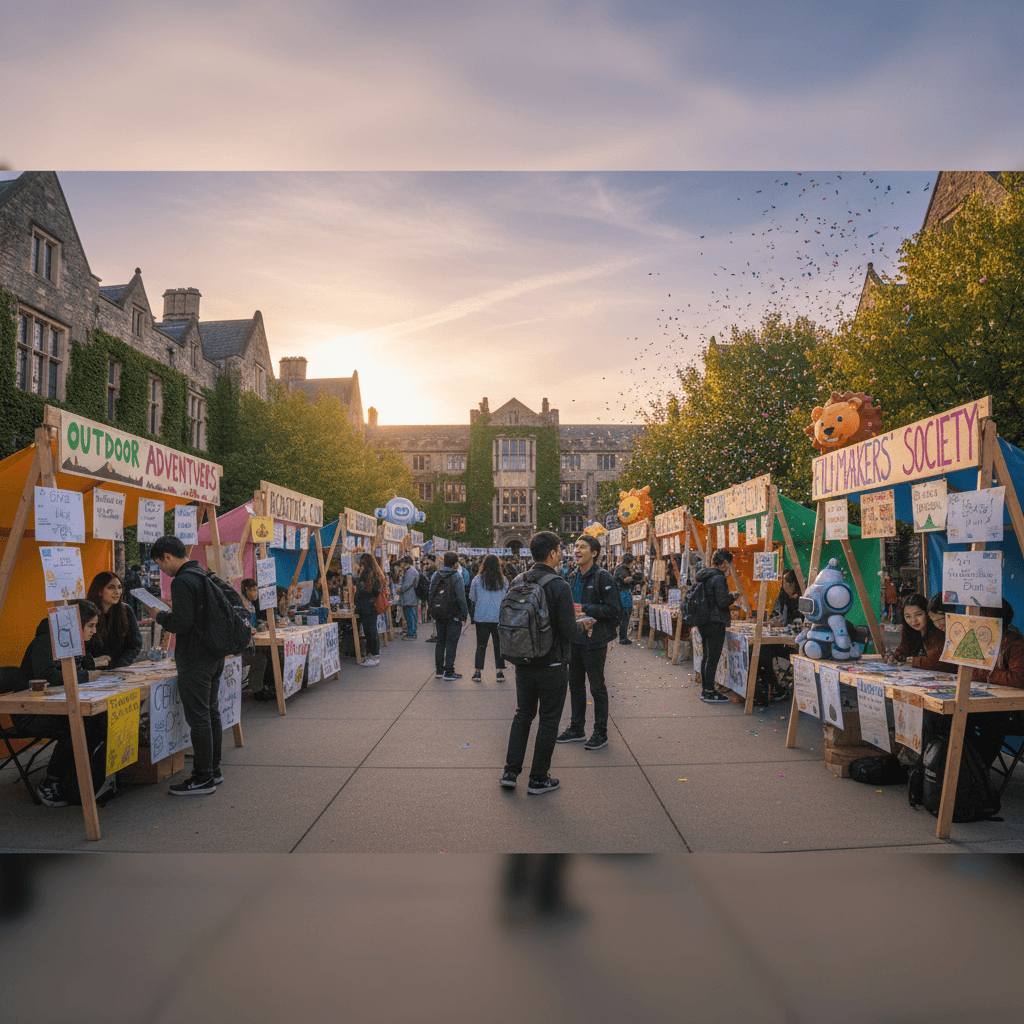
One of the fastest ways to go from feeling like an outsider to feeling at home in Spain is to join something. A club, a team, a volunteer group, a student association — it does not matter what, as long as it gives you a reason to show up regularly and interact with people who share an interest.
Spanish universities have a rich ecosystem of student organizations. Some are run by the university itself, some are nationally coordinated networks, and many are student-led and completely independent. As an international postgraduate student, these groups are not just extracurriculars. They are your shortcut to a social life, local knowledge, and sometimes even professional connections.
Here is how the landscape works and how to find the right fit for you.
Erasmus Student Network (ESN)
If you are an international student in Spain, ESN is probably the first organization you will encounter. It is the largest student network in Europe, with over 500 local sections across the continent. Nearly every Spanish university with a significant international population has an ESN section.
What ESN Does
- Welcome events: Orientation activities at the start of each semester, including campus tours, city tours, and welcome parties
- Trips and excursions: Organized weekend trips to other cities, often at group discount prices
- Language exchange events (tandems): Pair up with a Spanish student to practice each other's languages
- Cultural events: International dinners, film nights, holiday celebrations from different cultures
- ESNcard: A membership card (around EUR 10-15) that gives you discounts on transport, shops, and ESN events across Europe
How to Join
- Search for your university's ESN section on the ESN Spain website or social media
- Attend the welcome event at the start of the semester
- Buy an ESNcard at the event or at the ESN office on campus
ESN is especially strong for incoming exchange and international students. If you are a postgraduate student rather than an exchange student, you can still participate in most events. Check with your local section — many explicitly welcome all international students, not just Erasmus participants.
Delegaciones de Estudiantes (Student Delegations)
Every Spanish university has a formal student representation structure. These are the delegaciones de estudiantes — elected student bodies that represent students at the faculty and university level.
What They Do
- Represent student interests in university governance (academic committees, senate meetings)
- Organize academic events: conferences, seminars, guest lectures
- Manage complaints and mediation between students and faculty
- Distribute information about scholarships, grants, and opportunities
- Run the annual faculty fiestas (yes, this is a real and important function)
Why Join
Joining a delegación is a good option if you are interested in university politics, advocacy, or simply want a behind-the-scenes understanding of how Spanish universities operate. It is also a strong CV item if you are considering a career in academia, policy, or public administration.
To get involved, visit your faculty's student delegation office (usually on the ground floor of your faculty building) and ask about upcoming elections or volunteer roles.
Sports Clubs
Spanish universities take sports more seriously than many international students expect. Most public universities have a Servicio de Deportes (Sports Service) that manages facilities and organizes both recreational and competitive activities.
What Is Available
- Team sports: Football (soccer), basketball, volleyball, handball, rugby, rowing
- Individual sports: Swimming, tennis, athletics, martial arts, yoga, climbing
- Intramural leagues: Casual competition between faculties or residences, open to all skill levels
- University championships: More competitive — representing your university against others in regional or national tournaments
Cost
Most university sports programs are heavily subsidized. Annual membership at the sports center is typically EUR 30-80, which gives you access to gym facilities, pools, and group classes. Joining a team is often free or costs a small registration fee.
How to Sign Up
- Visit your university's sports service website or office (usually near the sports facilities)
- Check the schedule of activities and available teams
- Register at the beginning of the semester — popular activities fill up quickly
Sports clubs are one of the best ways to meet both Spanish and international students, especially if your postgraduate program is small or very academic in focus.
Cultural and Interest-Based Associations
Beyond ESN and sports, Spanish universities host a wide range of student-run associations focused on specific interests.
Common Types
- Debate and oratory clubs: Practice public speaking, often with competitions against other universities
- Music groups: University choirs, orchestras, bands, and jam sessions. Many welcome all skill levels
- Theater and performing arts: Student theater companies that produce plays, often in Spanish but sometimes bilingual
- Film clubs: Screenings, discussions, and sometimes student film production
- Photography and art clubs: Group outings, exhibitions, and workshops
- Tech and entrepreneurship clubs: Hackathons, startup workshops, coding meetups
- LGBTQ+ associations: Support, social events, and advocacy
- Political and social clubs: Human rights, environmental activism, political discussion groups
How to Find Them
- University website: Look for "asociaciones estudiantiles" or "vida universitaria" in the navigation
- Ferias de asociaciones: Most universities hold a student association fair at the start of each semester. This is the best place to browse all available groups in one go
- Social media: Many clubs run active Instagram or WhatsApp groups. Search for your university name plus "asociación" or "club"
- Ask your classmates: Word of mouth is still the most effective way to discover smaller, niche groups
Volunteering Opportunities
Volunteering is a powerful way to connect with the local community, practice Spanish in a real-world setting, and add meaningful experience to your CV.
Major Organizations with University Presence
- Cruz Roja (Red Cross): Spain's largest volunteer organization. University-based programs include tutoring refugees, hospital visits, and environmental cleanups. Contact your local Cruz Roja chapter or look for their stand at orientation events
- Cáritas: The Catholic Church's social services arm, but open to all volunteers regardless of religion. Programs focus on food banks, housing support, and integration services for migrants
- UNICEF campus groups: Present at many universities, focused on fundraising and awareness campaigns
- Local NGOs: Almost every city has smaller organizations working on issues from homelessness to environmental conservation. Your university's volunteer office (if one exists) can point you in the right direction
University Volunteer Programs
Many universities have a Oficina de Voluntariado or Oficina de Cooperación that coordinates volunteer placements for students. These programs often come with:
- A certificate of participation (useful for your CV)
- Free ECTS credits at some universities
- Structured training before you start
Ask at your university's student services office whether a volunteer coordination office exists.
How to Get the Most Out of Student Associations
Joining is easy. Getting real value from it takes a small amount of intention.
- Show up consistently. The first meeting is not where friendships form. The fifth one is. Commit to regular attendance for at least a few weeks before deciding if something is for you
- Volunteer for a role. Even a small responsibility — managing social media, organizing one event, being the contact person for new members — turns you from a passive participant into someone people know
- Do not limit yourself to international-only groups. ESN is a great starting point, but if all your social interaction is with other international students, you will miss out on deeper integration. Join at least one group where Spanish students are the majority
- Use it for language practice. Student associations are low-pressure environments where you can practice Spanish without the stakes of an academic or professional setting
- Keep an eye on your time. It is easy to overcommit in the first semester. Pick 1-2 associations that genuinely interest you rather than spreading yourself across five
Belonging to a community matters for your mental health as much as for your social life. Students who have a consistent social group outside their academic program consistently report lower stress and higher satisfaction with their time abroad.
Key Takeaways
- ESN (Erasmus Student Network) is the largest international student network in Spain, with welcome events, trips, and language exchanges at most universities
- Delegaciones de estudiantes offer a way to get involved in university governance and advocacy
- University sports clubs are affordable (EUR 30-80/year) and open to all levels
- Cultural clubs, debate societies, music groups, and tech meetups exist at nearly every university — look for association fairs at the start of semester
- Volunteering with organizations like Cruz Roja or Cáritas builds community connections and strengthens your CV
- Consistency is key: commit to 1-2 groups and show up regularly for the best results
Your postgraduate degree is what brought you to Spain. The people you meet and the experiences you have outside the classroom are what will make you glad you came.
At Postgrado España, we help you prepare for every aspect of student life in Spain, not just the application. If you want to know more about campus life at specific universities, we can help.


