Postgrad Spain
Best Neighborhoods for Students in Madrid
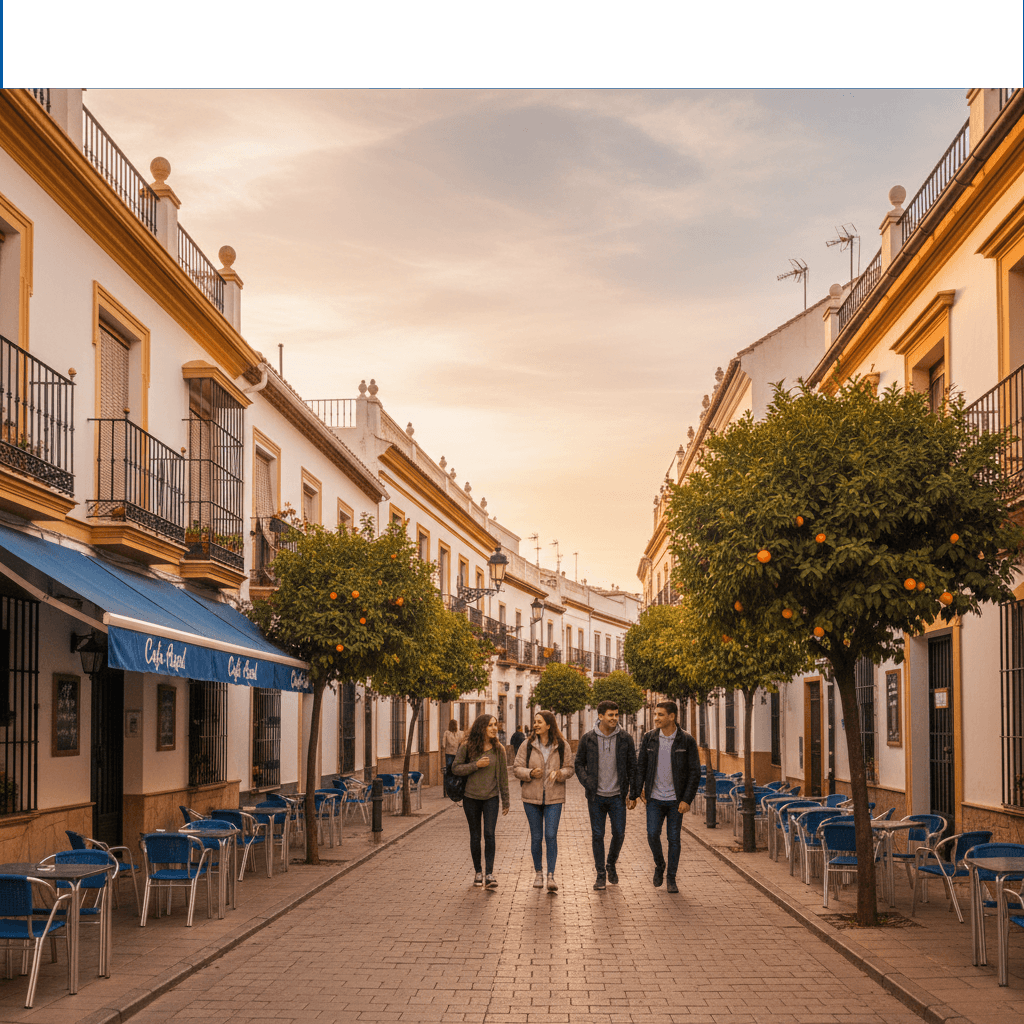
Choosing where to live in Madrid is not just about rent prices. Your neighborhood determines your commute, your social life, your access to groceries and services, and ultimately how you experience the city during your studies.
Madrid is large. The metro system is extensive but not instant, and living in the wrong area for your university can mean 45-60 minutes of commuting each way. On the other hand, living in the most central or trendy neighborhood might stretch your budget past what is sustainable.
This guide covers seven neighborhoods that work well for international students, with honest assessments of costs, transport connections, atmosphere, and proximity to major universities.
How to Read This Guide
For each neighborhood, you will find:
- Rent range for a room in a shared flat (the most common student housing type)
- Metro access and key lines
- University proximity to UCM, UAM, UC3M, Comillas, and other institutions
- Atmosphere — what the neighborhood feels like day to day
- Best for — the type of student who will thrive there
All rent prices reflect 2025-2026 market rates for rooms in shared flats. Full apartments cost significantly more.
1. Moncloa-Aravaca
Overview
Moncloa is the quintessential university district in Madrid. The Ciudad Universitaria campus — home to the Universidad Complutense de Madrid (UCM) and parts of the Universidad Politecnica de Madrid (UPM) — sits directly in this district. If your classes are at UCM, living in Moncloa means you can walk to campus.
Rent Range
- Room in shared flat: EUR 400-550/month
- Studio: EUR 700-950/month
Metro Access
- Moncloa (Lines 3, 6) — major interchange station
- Ciudad Universitaria (Line 6) — direct campus access
- Arguelles (Lines 3, 4, 6) — on the district border
The Moncloa bus interchange also connects to northwestern Madrid and surrounding towns, useful if you need to reach UAM or campus buildings outside the core.
University Proximity
- UCM Ciudad Universitaria: 5-15 min walk or 1 metro stop
- UPM (ETSI campus): 10-20 min walk
- UAM Cantoblanco: 30-40 min by bus (intercambiador de Moncloa)
- Comillas (Alberto Aguilera): 15 min walk or 2 metro stops
Atmosphere
Moncloa feels like a university town within a city. Cafes, copy shops, and affordable lunch menus (menu del dia) cater to students. The Parque del Oeste and the Templo de Debod are nearby, offering green space for study breaks. The area is residential and relatively quiet at night compared to central nightlife zones.
Best For
UCM and UPM students who want to minimize commuting. Students who prefer a calm, study-friendly environment over nightlife proximity.
2. Arguelles
Overview
Arguelles sits just south of Moncloa, bridging the university district and the city center. It offers a balance between academic convenience and urban amenities that Moncloa lacks.
Rent Range
- Room in shared flat: EUR 420-580/month
- Studio: EUR 750-1,000/month
Metro Access
- Arguelles (Lines 3, 4, 6)
- San Bernardo (Lines 2, 4) — nearby
- Plaza de Espana (Lines 2, 3, 10) — walking distance
University Proximity
- UCM Ciudad Universitaria: 10-20 min walk or 1 metro stop
- Comillas (Alberto Aguilera campus): 5-10 min walk
- CUNEF/business schools near Moncloa: 15 min walk
- UC3M Getafe campus: 35-45 min by metro (Line 3 to Sol, then Cercanias C4)
Atmosphere
More commercial than Moncloa. Calle Princesa is a major shopping street, and the area has a good mix of restaurants, supermarkets (Mercadona, Dia, Carrefour Express), and services. Close enough to Gran Via and Malasana for nightlife without being in the middle of it.
Best For
Students at UCM or Comillas who want walkable access to campus plus the convenience of a well-connected, service-rich neighborhood.
3. Malasana
Overview
Malasana is Madrid's most culturally vibrant central neighborhood. It is the heart of the city's independent scene — vintage shops, craft cocktail bars, record stores, and art galleries. It is also one of the more expensive student neighborhoods.
Rent Range
- Room in shared flat: EUR 450-650/month
- Studio: EUR 800-1,100/month
Metro Access
- Tribunal (Lines 1, 10)
- Noviciado (Line 2)
- San Bernardo (Lines 2, 4)
- Gran Via (Lines 1, 5) — walking distance
Excellent connectivity. From Tribunal or Gran Via, you can reach almost any part of Madrid within 20-30 minutes.
University Proximity
- Comillas (Alberto Aguilera): 10 min walk
- UCM Ciudad Universitaria: 15-20 min by metro (Line 2 to San Bernardo, then walk or transfer)
- UC3M Getafe: 40-50 min by metro + Cercanias
- UAM Cantoblanco: 40-50 min by metro (Line 10 to Nuevos Ministerios, then Cercanias C4)
Atmosphere
Lively, eclectic, and youthful. Malasana is where you go out on weeknights and run into other students at every terrace. The Plaza del Dos de Mayo is the neighborhood's social center. Noise can be an issue, especially on Thursday-Saturday nights if your flat faces a busy street. The food scene is excellent and diverse.
Best For
Students who prioritize social life, culture, and city-center living. Be prepared to pay a premium and deal with noise. Not ideal if you need absolute quiet for study.
4. Lavapies
Overview
Lavapies is Madrid's most multicultural neighborhood. It sits just south of the city center, between Sol and Atocha. The area has a strong identity — diverse food, community spaces, street art, and a notably different feel from the polished central districts.
Rent Range
- Room in shared flat: EUR 380-520/month
- Studio: EUR 650-900/month
Metro Access
- Lavapies (Line 3)
- Tirso de Molina (Line 1)
- Embajadores (Lines 3, irregular) — also connects to Cercanias via Atocha (walking distance)
University Proximity
- UCM (various downtown faculties): 15-25 min by metro
- UCM Ciudad Universitaria: 25-35 min by metro
- Carlos III (Getafe): 30-40 min by metro + Cercanias from Atocha
- UNED: 15-20 min walk to Atocha area facilities
Atmosphere
Authentic, gritty, and community-oriented. Lavapies has the best international food in Madrid — Indian, Senegalese, Chinese, Bangladeshi, and Moroccan restaurants at student-friendly prices. The Mercado de San Fernando is a local gathering point. The neighborhood has gentrified significantly but retains its character. It is socially progressive and welcoming to international residents.
Some streets can feel less polished than other central areas, and petty theft is slightly more common around the metro station. Use normal urban awareness.
Best For
Students on moderate budgets who value diversity, authentic culture, and excellent cheap food. Particularly welcoming for students from Latin America, Africa, and South Asia who may find familiar food and community connections.
5. Chamberi
Overview
Chamberi is an established, upper-middle-class residential neighborhood north of the city center. It is quieter and more traditional than Malasana or Lavapies, with an emphasis on quality of life over nightlife.
Rent Range
- Room in shared flat: EUR 450-600/month
- Studio: EUR 800-1,050/month
Metro Access
- Chamberi (Line withdrawn from use, now a museum — use neighboring stations)
- Bilbao (Lines 1, 4)
- Iglesia (Line 1)
- Quevedo (Line 2)
- Canal (Line 2)
Multiple stations with good connections across the network.
University Proximity
- UCM Ciudad Universitaria: 15-20 min by metro
- Comillas: 10-15 min walk (depending on exact location)
- CEU San Pablo (Moncloa campus): 20 min by metro
- IE University Madrid campus: 15 min by metro
Atmosphere
Quiet, leafy streets with traditional Spanish architecture. Excellent local markets (Mercado de Vallehermoso), independent bookshops, and neighborhood cafes. The Calle Ponzano food corridor offers upscale dining. This is a neighborhood where you can study in peace, shop at small local businesses, and enjoy a high quality of life.
Best For
Students who want a calm, safe, well-connected neighborhood with a mature atmosphere. Ideal for PhD students, older master's students, or anyone who prefers study-friendly quiet over nightlife proximity.
6. Tetuan
Overview
Tetuan sits north of Chamberi and is one of Madrid's most affordable central districts. It has undergone significant transformation in recent years, with improved amenities while keeping rents below the city average.
Rent Range
- Room in shared flat: EUR 350-480/month
- Studio: EUR 600-800/month
Metro Access
- Tetuan (Line 1)
- Estrecho (Line 1)
- Alvarado (Line 1)
- Nuevos Ministerios (Lines 6, 8, 10, Cercanias) — walking distance from southern Tetuan
Nuevos Ministerios is one of Madrid's major transport hubs, providing access to the airport (Line 8), Cercanias commuter rail, and three metro lines.
University Proximity
- UCM Ciudad Universitaria: 20-25 min by metro
- UAM Cantoblanco: 25-35 min by Cercanias from Nuevos Ministerios
- ESIC Business School (Chamartin area): 15 min by metro
- Comillas: 20-25 min by metro
Atmosphere
Working-class roots with increasing gentrification. Tetuan has a large immigrant community, giving it a multicultural character similar to Lavapies but with a different feel — more residential, less touristic. Bravo Murillo is the main commercial artery, with affordable shops, supermarkets, and services. The food options are diverse and budget-friendly.
Best For
Budget-conscious students who want to live centrally without paying central prices. Good for UAM students thanks to the Cercanias connection at Nuevos Ministerios.
7. Vallecas (Puente de Vallecas)
Overview
Vallecas is Madrid's largest working-class district, located southeast of the center. It is the most affordable option on this list and offers genuine neighborhood life away from the tourist and student bubbles.
Rent Range
- Room in shared flat: EUR 280-400/month
- Studio: EUR 500-700/month
Metro Access
- Puente de Vallecas (Line 1)
- Nueva Numancia (Line 1)
- Portazgo (Line 1)
- Buenos Aires (Line 1)
All on Line 1, which runs directly through the center of Madrid (Sol, Gran Via, Tribunal, Bilbao). Travel time to Sol is approximately 15-20 minutes.
University Proximity
- UC3M Getafe campus: 25-35 min by Cercanias (from Vallecas station)
- UCM Ciudad Universitaria: 35-45 min by metro (Line 1 + transfer)
- UNED: 20-25 min by metro to Atocha area
- Rey Juan Carlos (Mostoles/Fuenlabrada): requires Cercanias + transfer
Atmosphere
Authentic, working-class Madrid. Vallecas has a strong community identity and local pride. The Mercado de Numancia, the Boulevard, and the Parque de la Cunas del Arroyo are neighborhood anchors. Rent savings are significant — a room in Vallecas costs EUR 100-200 less per month than the same room in Malasana or Chamberi.
The area is safe but has a grittier feel than central neighborhoods. Public services are good. The main trade-off is commute time.
Best For
Students on tight budgets, particularly those at UC3M Getafe or UNED, who do not mind a 30-40 minute commute in exchange for substantial rent savings. Also suitable for students who want to experience everyday Spanish life outside the international student bubble.
Quick Comparison Table
Neighborhood | Room Rent (EUR/mo) | Metro Lines | Commute to UCM | Atmosphere
Moncloa | 400-550 | 3, 6 | 5-15 min | University town
Arguelles | 420-580 | 3, 4, 6 | 10-20 min | Commercial, central
Malasana | 450-650 | 1, 2, 10 | 15-20 min | Vibrant, nightlife
Lavapies | 380-520 | 1, 3 | 25-35 min | Multicultural, authentic
Chamberi | 450-600 | 1, 2, 4 | 15-20 min | Quiet, residential
Tetuan | 350-480 | 1 | 20-25 min | Affordable, diverse
Vallecas | 280-400 | 1 | 35-45 min | Budget, working-class
Practical Tips for Choosing Your Neighborhood
1. Start With Your University
Map your campus location and work backward. A EUR 50/month savings on rent means nothing if it adds 30 minutes to a daily commute you take twice a day (that is 20+ hours per month commuting).
2. Visit Before Signing
If at all possible, stay in a temporary hostel or Airbnb for a week and visit your shortlisted neighborhoods in person. Walk the streets at different times of day. Check the nearest supermarket. Take the metro to your campus during morning rush hour.
3. Check Metro Frequency
Not all metro lines run at the same frequency. Lines 1, 6, and 10 are among the busiest and most frequent. If your route requires two transfers, factor that into your commute calculation.
4. Consider Your Social Life
If you know you will go out frequently, living close to nightlife areas (Malasana, Lavapies, La Latina) saves on late-night taxi costs. The Madrid metro closes between 1:30 AM and 6:00 AM.
5. Check Supermarket Access
Having a Mercadona, Dia, or Lidl within walking distance matters more than you think when you are cooking daily on a student budget. Most neighborhoods listed here have multiple options within 10 minutes on foot.
Beyond These Seven
This guide covers the most popular student neighborhoods, but Madrid has over 20 districts. Areas like Chamartin (good for IE University students), Carabanchel (budget option on Line 5 and 6), and Hortaleza (near some business school campuses) may also work depending on your specific situation.
The best neighborhood is the one that matches your university, your budget, and how you want to live. There is no single right answer.
Looking for verified housing in your ideal Madrid neighborhood? Postgrado Espana connects students with trustworthy landlords and helps you avoid scams. [Contact us via WhatsApp] to get started.