Postgrad Spain
Best Neighborhoods in Valencia for Students (Detailed Guide)
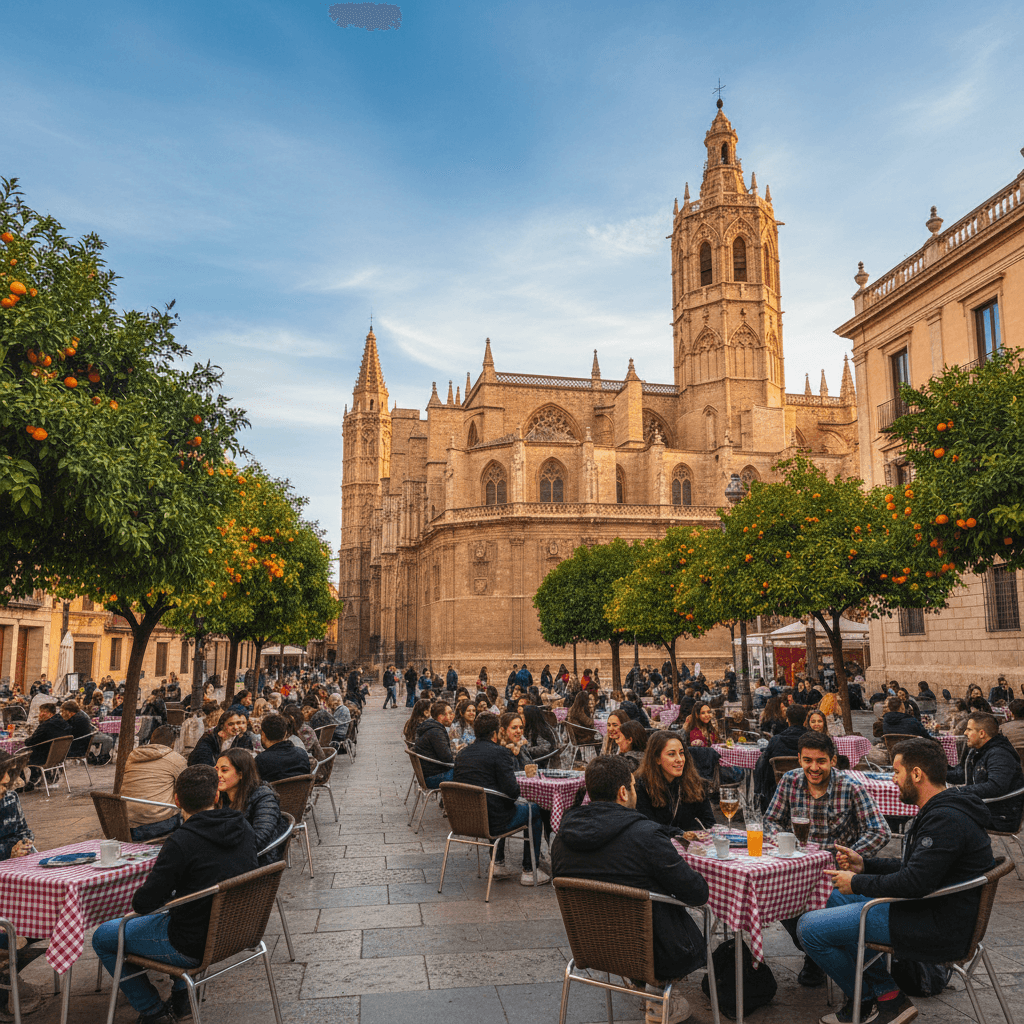
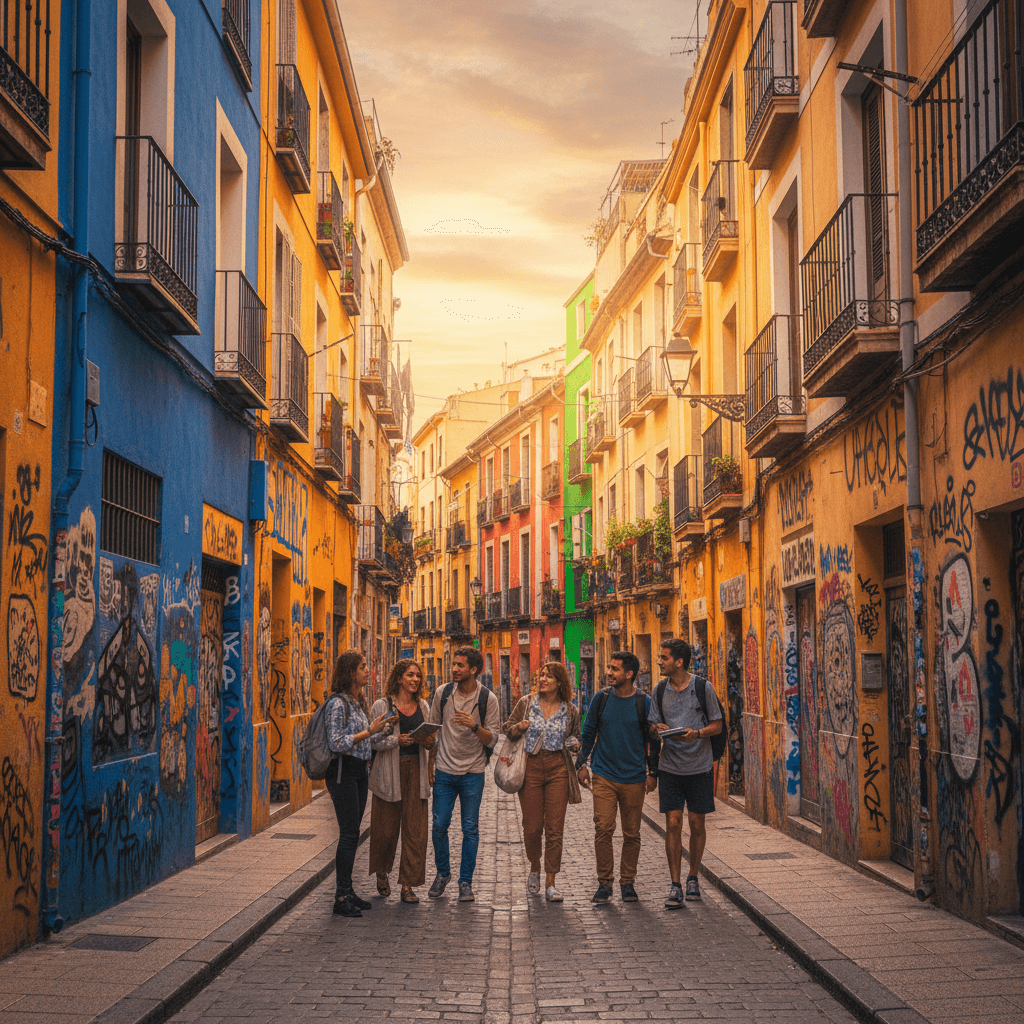
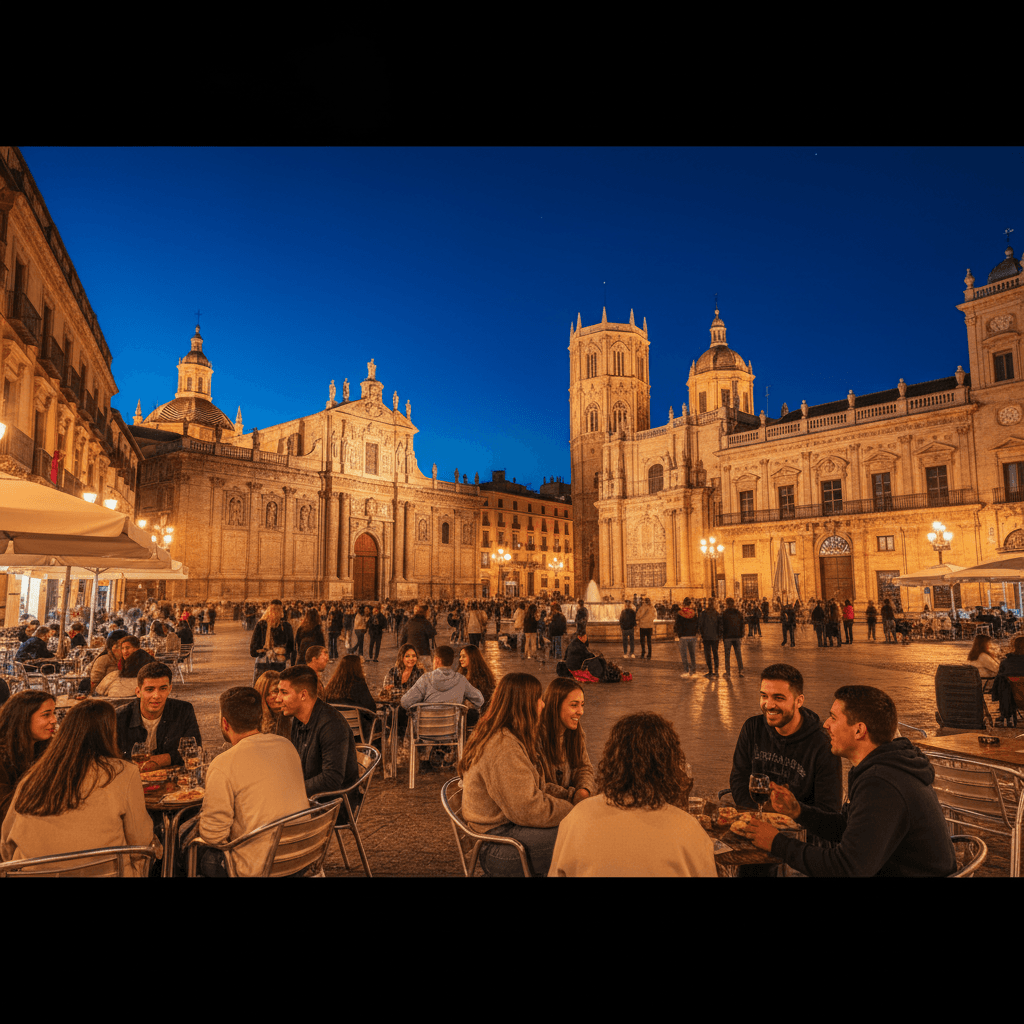
Choosing your neighborhood in Valencia is not a minor decision. It shapes your commute, your budget, your social life, and how fast you settle into a new country. The good news: Valencia is compact enough that every neighborhood in this guide puts you within 30 minutes of any university campus. The real question is what kind of daily life you want.
This guide profiles seven neighborhoods where international postgraduate students actually live, with specific rental data, transport connections, and the kind of insider detail you only get from people who have walked these streets. Prices reflect the 2025-2026 rental market for rooms in shared apartments (pisos compartidos).
How to Choose Your Neighborhood
Before diving into profiles, weigh these four factors:
- Your university: A 5-minute walk to class versus a 30-minute commute adds up over an entire academic year. Benimaclet and Blasco Ibáñez are best for UV. Benimaclet is also the closest of these neighborhoods to UPV.
- Your budget: The gap between the cheapest and most expensive neighborhood here is 200-300 EUR per month — that is 2,400-3,600 EUR per year. Real money.
- Your lifestyle: Do you want nightlife outside your door or quiet streets for focused study? A cosmopolitan cafe scene or a traditional market-and-plaza atmosphere?
- Your social strategy: Some neighborhoods have dense international student populations. Others immerse you in local Valencian life. Both are valid — it depends on what you want from this chapter of your life.
1. Ruzafa — The Trendy Creative Quarter
Overview
Ruzafa (Russafa in Valenciano) sits just south of the old city, below the Gran Vía de Germanías. Two decades ago it was a working-class neighborhood with a large immigrant population. Today it is Valencia's most gentrified and culturally dynamic barrio — independent cafes, art galleries, vintage boutiques, third-wave coffee roasters, and some of the city's best restaurants.
The name comes from Arabic (rawda, meaning "garden"), reflecting Valencia's Moorish heritage. Walk down Calle Sueca and you hear Spanish, Valenciano, English, French, Arabic, and Portuguese within a few blocks.
Who Lives Here
Young professionals aged 25-40, creative freelancers, expats from across Europe and Latin America, startup founders, and postgraduate students who want social life integrated into their daily walk. The vibe is distinctly cosmopolitan — more "Berlin meets Barcelona" than traditional Valencia.
Rental Market
Type | Price Range (EUR/month)
Room in shared flat | 350-550
Studio apartment | 600-850
1-bedroom apartment | 700-950
Ruzafa is the priciest student-friendly neighborhood in Valencia. Demand is high and turnover is low because residents tend to stay. Start searching 6-8 weeks before arrival. Key platforms: Idealista, Fotocasa, Badi, and Facebook groups ("Pisos compartidos en Valencia").
Daily Life
- Groceries: Mercado de Ruzafa (Calle del Literato Azorín, daily except Sunday) for fresh produce. Mercadona on Calle Denia for basics. Multiple Asian grocery stores for international ingredients.
- Coffee and study spots: Bluebell Coffee (Calle Cádiz), Dulce de Leche (Calle Sueca), The Juice House. Most have Wi-Fi and tolerate laptop workers for 2-3 hours.
- Eating out: Menú del día 10-14 EUR. Tapas at La Más Bonita, Casa Montaña. Brunch scene on weekends along Calle Sueca.
- Nightlife: Concentrated around Calle Sueca, Calle Literato Azorín, and Plaza del Barón de Cortés. Cocktail bars (Copenhagen, Ubik Cafe), wine bars, small live music venues. Busiest Thursday through Saturday.
Transport Connections
- To UV Blasco Ibáñez: 10-15 minutes by bike, 15-20 minutes by bus (Line 7 or 27)
- To UPV Vera Campus: 20-25 minutes by bike, 25-30 minutes by bus/metro (Xàtiva station, L1 to Túria)
- Metro stations: Xàtiva (L1/L5, 10-minute walk), Bailén (L5, 5-minute walk)
- Valenbici stations: Multiple throughout the neighborhood
Pros and Cons
Pros: Best social and cultural life in Valencia. Walk everywhere in the center. Diverse, international atmosphere. Excellent food and coffee scene.
Cons: Higher rents than other student areas. Noisy on weekend nights. Some gentrified streets feel more tourist-oriented. Not the closest to any specific campus.
Insider Tip
Look for flats on the eastern side of Ruzafa (closer to Calle de Puerto Rico and Calle de Cuba). They are slightly cheaper than streets immediately off Calle Sueca, and the neighborhood character is more authentic — local bakeries, family-run taperías, and less nightlife noise.
2. Benimaclet — The Classic Student Village
Overview
Benimaclet is a former agricultural village absorbed by Valencia's expansion but never stripped of its pueblo identity. Narrow streets around Plaça de Benimaclet, a local market, community gardens on the northern edge — everything points to a community that resists homogenization.
The UV campus at Blasco Ibáñez sits directly south, making Benimaclet the historical student neighborhood. Generations of UV students have lived here, and the infrastructure reflects it: affordable bars, cheap menú del día, copisterías, and landlords accustomed to student tenants.
Who Lives Here
University students (undergrad and postgrad), artists, musicians, longtime local residents, and a growing community of digital nomads attracted by affordability and character. The demographic is younger and more alternative than Ruzafa — less polish but more authenticity.
Rental Market
Type | Price Range (EUR/month)
Room in shared flat | 280-400
Studio apartment | 450-600
1-bedroom apartment | 500-700
Best value for money among central Valencia neighborhoods. Turnover is high — students come and go — so rooms open up frequently in June-July and January-February. Check local notice boards in Benimaclet bars and neighborhood Facebook groups alongside Idealista.
Daily Life
- Groceries: Mercado de Benimaclet (Calle Dolores Marqués) for fresh produce at local prices. Consum on Avenida de Emilio Baró. Multiple fruterías along the main streets.
- Coffee and study spots: Kaf Cafe (Carrer del Baró de Sant Petrillo), Cafetería Turia near campus. UV libraries are the primary study space for most students.
- Eating out: Menú del día 8-11 EUR — some of the cheapest in Valencia. Bars around Plaça de Benimaclet serve cañas for 1.20-1.50 EUR.
- Nightlife: Lower-key than Ruzafa or El Carmen. Local bars with terrace seating, occasional live music, neighborhood fiestas. Thursdays are busiest thanks to the student crowd.
Transport Connections
- To UV Blasco Ibáñez: 5-10 minute walk (the primary reason to live here)
- To UPV Vera Campus: 10-15 minutes by bike, 15 minutes by metro (Benimaclet station, L1)
- Metro station: Benimaclet (L1) — direct to city center (Colón in 8 minutes)
- Valenbici stations: Several along the campus border and village center
Pros and Cons
Pros: Best proximity to UV. Cheapest rents in any central area. Strong community feel. Authentic neighborhood character. Ideal for Spanish immersion.
Cons: Nightlife and dining options more limited. Can feel small after a few months. Further from the beach than Blasco Ibáñez. Longer commute for UPV students.
Insider Tip
The community gardens (huertos urbanos) on Benimaclet's northern edge are worth visiting — a neighborhood-led urban agriculture project that often holds events. Side streets behind the market have the cheapest rooms, but check for noise from street-level bars on Thursday and Friday nights.
3. Blasco Ibáñez — The University Corridor
Overview
Avenida de Blasco Ibáñez runs northeast from the UV campus toward Malvarrosa beach. It is not a traditional neighborhood with historical identity — it is a functional corridor built around the university. Student residences, fast food, copy shops, phone repair stores, study cafes.
What Blasco Ibáñez lacks in charm, it delivers in convenience. If you are a UV student who wants a 5-minute walk to class and a 15-minute walk to the beach, this is your zone.
Who Lives Here
Primarily UV students, both Spanish and international. The ratio of students to permanent residents is higher here than anywhere else in Valencia. During summer and holidays, the area empties out noticeably.
Rental Market
Type | Price Range (EUR/month)
Room in shared flat | 300-450
Studio apartment | 500-700
University residence | 500-900 (full board available)
Many buildings are purpose-built student housing. University residences (colegios mayores, residencias) offer rooms with meals and utilities included at a premium. For shared flats, look on perpendicular streets — Calle de Menéndez Pelayo, Calle del Doctor Gómez Ferrer — where prices dip slightly.
Daily Life
- Groceries: Mercadona on Avenida de Blasco Ibáñez. Small supermarkets (Dia, Covirán) on side streets.
- Coffee and study spots: Multiple cafeterías along the avenue. UV libraries (Biblioteca de Humanitats, Biblioteca de Ciències Socials) are the main study spaces.
- Eating out: Menú del día 9-12 EUR. Kebab shops, Chinese restaurants, bocadillo bars — functional rather than gastronomic.
- Nightlife: Some student bars on side streets. Most people head to El Carmen or Ruzafa for a proper night out.
Transport Connections
- To UV Blasco Ibáñez: Walking distance (you are already here)
- To UPV Vera Campus: 20-25 minutes by bus (Line 29 or 41)
- To the beach: 15-minute walk to Malvarrosa
- Metro: Nearest stations Benimaclet (L1, 10-minute walk) and Aragón (L5, 10-minute walk)
- Bus: Lines 41, 71, 81 along or near the avenue
Pros and Cons
Pros: Maximum convenience for UV students. Close to beach. University infrastructure at your doorstep (libraries, sports, cafeterias). Strong student social network.
Cons: Generic atmosphere — campus zone, not a neighborhood. Empties out on weekends and holidays. Limited dining and nightlife. Further from metro than other areas.
Insider Tip
Pick a flat on the eastern (beach) side of the avenue rather than the western (city) side. Same campus proximity, shorter walk to the beach, slightly quieter streets. The blocks between Blasco Ibáñez and the Jardines de Viveros are particularly pleasant.
4. El Carmen — The Historic Heart
Overview
El Carmen (El Carme in Valenciano) is the oldest part of Valencia, enclosed within the footprint of medieval city walls. Torres de Serranos and Torres de Quart — the two surviving medieval gate towers — mark its boundaries. Inside: narrow winding streets, 15th-century churches next to street art murals, and the highest density of bars, restaurants, and cultural venues per square meter in the city.
Beautiful, atmospheric, deeply connected to Valencia's identity. Also noisy, tourist-heavy, and not always practical for daily student life.
Who Lives Here
Long-term local residents (increasingly elderly), tourists on short-term rentals, young bar and restaurant workers, artists, and students who prioritize atmosphere above everything else. The international crowd skews toward travelers and digital nomads more than academic students.
Rental Market
Type | Price Range (EUR/month)
Room in shared flat | 400-600
Studio apartment | 650-900
1-bedroom apartment | 800-1,100
Expensive for apartment quality. Many buildings are old — limited natural light, no elevator, basic kitchens. You are paying for location and atmosphere. Airbnb competition drives prices up. Finding a long-term rental requires patience.
Daily Life
- Groceries: Mercado Central (Plaça del Mercat — one of Europe's great covered markets) for fresh produce at fair prices. A few small supermarkets on side streets. No large Mercadona within El Carmen itself.
- Coffee and study spots: Ubik Cafe (also a bookshop), Café de las Horas, La Tête-à-Thé. Most are small and fill quickly.
- Eating out: Vast range from tourist traps to genuine gems. Avoid Plaza de la Virgen for value. Menú del día 10-14 EUR. Tapas at Ca Maravillas, Tasca Ángel, Bar Pilar (famous for clóchinas/mussels in season).
- Nightlife: Epicenter of Valencia nightlife. Calle de Caballeros and surroundings packed Thursday through Saturday. Small bars, punk venues, cocktail lounges, alternative spaces all coexist.
Transport Connections
- To UV Blasco Ibáñez: 15-20 minutes by bike, 20 minutes by bus
- To UPV Vera Campus: 20-30 minutes by bike or bus/metro combo
- Metro stations: Túria (L1, edge of El Carmen), Pont de Fusta (tram L4), Àngel Guimerà (L1/L5, southwest edge)
- Valenbici: Multiple stations within and around El Carmen
Pros and Cons
Pros: Most beautiful and culturally rich neighborhood. Walkable to everything central. Endless dining and nightlife. Living inside a postcard.
Cons: Expensive for apartment quality. Very noisy at night (Thursday-Saturday). Tourist density overwhelming. Old buildings with maintenance issues. No parking.
Insider Tip
For El Carmen living without maximum noise, look for flats in the northern part near Torres de Serranos and the Turia gardens. Streets like Calle de Roteros and Calle de las Rocas are residential, atmospheric, and removed from the Calle de Caballeros nightlife zone.
5. Campanar — Quiet Residential Area with Good Metro Access
Overview
Campanar is a residential neighborhood northwest of the city center, near the Turia gardens and Nuevo Centro shopping mall. Historically a separate municipality absorbed in the 19th century, it retains a quiet, village-like feel around the historic Campanar church and old town core.
For students who want affordable, peaceful living with good metro connections to the rest of the city, Campanar delivers. Less buzz than Ruzafa or El Carmen, but the trade-off is affordability, green spaces, and tranquility.
Who Lives Here
Families, young couples, retirees, and some students. The demographic skews older and more settled. Quieter nights but less spontaneous social activity.
Rental Market
Type | Price Range (EUR/month)
Room in shared flat | 280-380
Studio apartment | 450-600
1-bedroom apartment | 550-750
Good value with reasonable availability. Campanar does not face the same rental pressure as Ruzafa or El Carmen. Many apartments are in newer buildings (1980s-2000s) with elevators, better insulation, and modern kitchens — an upgrade over old-town neighborhoods.
Daily Life
- Groceries: Mercadona and Consum within the neighborhood. Nuevo Centro shopping mall (adjacent) has Carrefour and assorted stores.
- Coffee and study spots: Fewer independent cafes than central areas. Nuevo Centro has chain options. City libraries or university libraries for serious study.
- Eating out: Menú del día 9-12 EUR. Less variety than central neighborhoods but solid traditional Valencian food. Nuevo Centro food court as backup.
- Nightlife: Minimal. Residents head to El Carmen or Ruzafa, a 15-20 minute metro ride away.
Transport Connections
- To UPV Vera Campus: 25-30 minutes by metro or bus (Campanar is in the northwest, UPV is in the northeast)
- To UV Blasco Ibáñez: 25-30 minutes by bus or metro
- To city center: 15-20 minutes by metro
- To Turia gardens: 5-10 minute walk
- Metro stations: Campanar (L2), Túria (L1), Nou d'Octubre (L5) — all within walking distance
Pros and Cons
Pros: Affordable. Quiet. Modern apartments. Good metro connections. Nuevo Centro mall for essentials. Close to Turia gardens.
Cons: Limited nightlife and dining. Can feel suburban. Less international presence. Not close to any university campus. Social life requires effort — you go to it rather than it coming to you.
Insider Tip
The streets around the old Campanar village core offer traditional character with affordable rents and proximity to the Turia gardens. Look for flats on Calle de Vall de la Ballestera, Calle de San José de Calasanz, and around the Campanar church plaza.
6. Patraix — The Up-and-Coming Affordable Pick
Overview
Patraix sits southwest of the city center, another former village absorbed by Valencia's growth. Strong public transport connections (metro Lines 1 and 5 from Patraix station) and a traditional Valencian feel untouched by gentrification.
For students on tight budgets who want a genuine local experience, Patraix delivers. Its own market, its own annual fiesta, and a density of local bakeries, bars, and small shops that makes it feel self-contained.
Who Lives Here
Working-class families, elderly long-term residents, and an increasing number of young renters attracted by affordability. International student presence is low — more Spanish immersion but fewer ready-made social connections.
Rental Market
Type | Price Range (EUR/month)
Room in shared flat | 260-350
Studio apartment | 400-550
1-bedroom apartment | 450-650
Some of the lowest rents in central Valencia. Apartments tend to be older (1960s-1980s) but spacious. Less competition than Ruzafa or Benimaclet.
Daily Life
- Groceries: Mercado de Patraix (Carrer del Beat Gaspar Bono) — genuine local market with excellent prices. Mercadona and Consum nearby.
- Coffee and study spots: Fewer than central neighborhoods. Local bars double as morning cafes. City libraries or university libraries for serious study.
- Eating out: Menú del día 8-11 EUR — cheapest in the city. Authentic Valencian home-cooking at local restaurants.
- Nightlife: Quiet. Bars are local hangouts. Central nightlife is 15 minutes by metro.
Transport Connections
- To UPV Vera Campus: 20-25 minutes by metro (L1 or L5 to Túria, then walk or change)
- To UV Blasco Ibáñez: 25-30 minutes by metro and bus
- To city center: 12-15 minutes by metro from Patraix station
- Metro station: Patraix (L1, L5) — strong connectivity
Pros and Cons
Pros: Lowest rents in central Valencia. Authentic local neighborhood. Good metro access. Large apartments for the price. Total Spanish immersion.
Cons: Few English speakers. Limited nightlife and dining variety. Less international student community. Social connections require effort.
Insider Tip
Live within 5 minutes of Mercado de Patraix — the neighborhood's social heart. Morning coffee at the corner bar, fresh groceries at the market, terrace seat in the afternoon. Streets to target: Calle del Beat Gaspar Bono, Calle de Torrente, Calle de Juan de Garay.
7. Jesús — Budget-Friendly and Central
Overview
Jesús sits due south of Estación del Norte and the old city. It borders Ruzafa to the east and offers much of the same central convenience at lower prices. Mercado Central — one of Europe's largest and most beautiful covered markets — is a 10-minute walk north.
Working-class and multicultural, Jesús is unpretentious, well-connected, and gives you more square meters per euro than any other neighborhood this close to the center.
Who Lives Here
Working-class families (many multi-generational), immigrants from North Africa, Latin America, and South Asia, and budget-conscious students and young workers. Diverse in the most organic sense.
Rental Market
Type | Price Range (EUR/month)
Room in shared flat | 250-350
Studio apartment | 380-520
1-bedroom apartment | 420-600
Most affordable rents this close to the city center. Apartments are older and some need updating, but the value is strong. Less competition than trendier areas — rooms often available with shorter lead times.
Daily Life
- Groceries: Proximity to Mercado Central (fresh produce, meat, fish at competitive prices). Consum and Dia within the neighborhood.
- Coffee and study spots: Local bars for morning coffee. Fewer independent cafes. Central Valencia's libraries and cafes are a short walk or bus ride away.
- Eating out: Menú del día 8-10 EUR — cheapest in Valencia. Strong selection of Latin American, Moroccan, and South Asian restaurants reflecting the neighborhood's demographics.
- Nightlife: Local bars only. El Carmen and Ruzafa are 10-15 minutes away on foot or by bus.
Transport Connections
- To UV Blasco Ibáñez: 20-25 minutes by bus (Lines 7, 27)
- To UPV Vera Campus: 25-30 minutes by metro/bus combo
- To city center: 10-15 minutes walking to Plaza del Ayuntamiento
- Metro stations: Jesús (L1), Hospital (L1, near eastern edge)
- Train: Estación del Norte is a 10-minute walk for AVE/Renfe connections
Pros and Cons
Pros: Cheapest rents near the center. Multicultural food options. Walking distance to Mercado Central and old city. Good public transport. Authentic, unpretentious atmosphere.
Cons: Less polished streetscape. Some areas feel neglected. Limited study-friendly cafes. Not a "student neighborhood" — you integrate into a working-class community rather than a student bubble.
Insider Tip
The blocks between Jesús metro station and Estación del Norte are the sweet spot — walkable to the old city and Ruzafa, well-connected by metro and train, and significantly cheaper. Calle de San Vicente Mártir (south of the station) and surrounding streets are worth exploring.
Neighborhood Comparison Summary
Factor | Ruzafa | Benimaclet | Blasco Ibáñez | El Carmen | Campanar | Patraix | Jesús
Rent (room) | 350-550 | 280-400 | 300-450 | 400-600 | 280-380 | 260-350 | 250-350
Best for | UV/general | UV | UV | Central | Quiet living | Budget | Budget
Nightlife | High | Medium | Low | Very High | Very Low | Very Low | Low
Character | Trendy | Village | Campus | Historic | Residential | Traditional | Working-class
International feel | High | Medium | Medium | High | Low | Low | Medium
Metro access | Good | Good | Limited | Fair | Good | Good | Good
How to Find Your Apartment
Platforms
- Idealista.com — Largest rental platform in Spain. Filter by neighborhood, price, room type.
- Fotocasa.es — Second largest. Sometimes has listings not on Idealista.
- Badi.com — Specifically for rooms in shared flats. Profiles and reviews.
- Milanuncios.com — Classifieds. More informal, sometimes better deals.
- Facebook groups — Search "Pisos compartidos Valencia," "Alquiler Valencia estudiantes." Active and responsive.
- Wallapop — Primarily for goods, but sometimes lists sublets and temporary rooms.
- University notice boards — Both UPV and UV have physical and digital boards for housing.
Timing
- Best time to search: 4-8 weeks before arrival
- Peak competition: September (start of academic year) and January (second semester)
- Easier periods: June-July (outgoing students leave) and February
Red Flags
- Never pay a deposit before seeing the apartment in person (or via live video call)
- Beware prices that seem too good — rental scams targeting international students exist on unverified platforms
- Always get a written rental contract (contrato de alquiler)
- Verify the landlord can provide a declaración de acogida for your empadronamiento
- Read our rental scams guide before starting your search
Next Steps
Your neighborhood choice affects your budget by thousands of euros per year and your daily quality of life. Take the time to research, visit if possible, and talk to current students in each area.
For a deeper dive into the four most popular student neighborhoods, read our Ruzafa, El Carmen, Benimaclet, and Blasco Ibáñez comparison guide. For housing options beyond shared apartments, see our university residences guide.
Postgrado España helps international students navigate every step of the postgraduate journey in Spain. From finding the right neighborhood to settling into your new life, we provide expert guidance in your language. Talk to us on WhatsApp — no commitment, just clarity.