Postgrad Spain
Visa Appointment Booking Tips: How to Get a Slot Faster
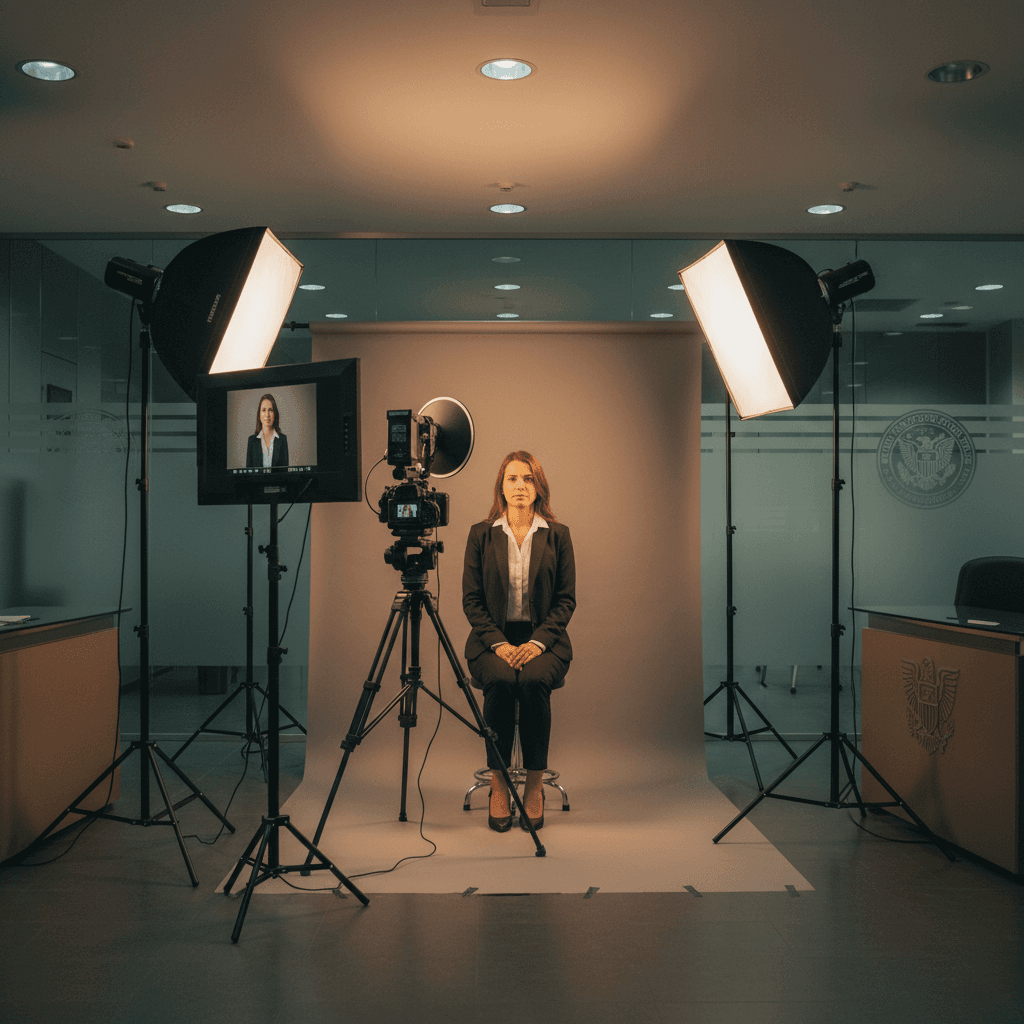
One of the most frustrating parts of the Spain student visa process has nothing to do with your documents — it is getting a consulate appointment in the first place. In high-demand countries like India, Colombia, Morocco, and Mexico, appointment slots can be booked out for weeks or months, especially during the peak season from April to July.
This guide shares practical strategies for securing your appointment faster, based on how the booking systems actually work across different consulates.
Last updated: February 2026.
How Appointment Systems Work
Spanish consulates use different booking systems depending on the country. Understanding which system your consulate uses is the first step.
Direct Consulate Booking
Some consulates manage their own appointment system through their website. You book directly on the consulate's scheduling page.
Countries that commonly use this: Several Latin American consulates, some European consulates.
How it works: The consulate releases appointment slots periodically. You create an account, select your visa type, and choose from available dates.
BLS International
BLS is the visa application center partner for many Spanish consulates, particularly in South Asia and parts of the Middle East.
Countries that commonly use BLS: India, Pakistan, and others.
How it works: You register on the BLS website, select your visa category, and book from available slots. BLS handles the appointment and document submission; the consulate makes the decision.
VFS Global
VFS is another visa application center used by some Spanish consulates.
How it works: Similar to BLS — you register, book, and submit through VFS, while the consulate processes the application.
In-Person Queue
A small number of consulates still operate on a walk-in or first-come-first-served basis, though this is increasingly rare.
When Appointments Are Released
This is the most important piece of information for securing a slot quickly.
Common Release Patterns
- Weekly releases: Many consulates release new appointment slots once a week, often on Monday or Tuesday mornings
- Monthly releases: Some consulates release the entire next month's slots at the beginning of the current month
- Rolling releases: Some systems release slots as previous appointments are completed or cancelled
- No fixed pattern: Some consulates release slots irregularly
How to Find Your Consulate's Pattern
- Check the consulate's website for announcements about appointment availability
- Join online communities (Facebook groups, WhatsApp groups, Reddit threads) for your specific consulate — other applicants often share when they see new slots appear
- Call the consulate directly and ask when new slots are typically released
- Check the booking system at different times of day over several days to identify patterns
Strategies for Getting an Appointment Faster
1. Book Early — Before Your Documents Are Ready
Many students wait until every document is complete before trying to book an appointment. This is a mistake in high-demand consulates.
The strategy: Book your appointment as soon as you receive your acceptance letter, even if your other documents are not yet ready. Most consulates allow you to reschedule, and you can always move the appointment later if needed. What you cannot do is go back in time and get an earlier slot.
2. Check the System Multiple Times Per Day
New slots often appear at specific times — early morning, after lunch, or late evening. If you check only once a day, you may miss new openings that get filled within hours.
The strategy: Check the booking system at least 3-4 times daily, especially early in the morning (when new slots are most commonly released) and in the evening (when cancellations from the day appear).
3. Monitor Cancellations
Other applicants cancel or reschedule their appointments, freeing up earlier slots. These cancellations appear in the system without announcement.
The strategy: Even after booking a later appointment, continue checking for earlier cancellations. If you find one, rebook and release your later slot for someone else.
4. Try Different Locations
If your country has multiple consulates (e.g., India has consulates in New Delhi, Mumbai, Kolkata, and Chennai), check all locations. Appointment availability can vary significantly between them.
The strategy: If your nearest consulate has no availability for weeks, check whether you can book at a consulate in a different city. You may need to travel, but it could save weeks of waiting.
5. Book for Off-Peak Times
If the system shows available slots, look for less popular times:
- Early morning slots (8:00-9:00 AM) are often the first to be booked
- Mid-afternoon or late afternoon slots may have better availability
- Fridays sometimes have more openings than Mondays
6. Prepare for Peak Season
The peak season for student visa appointments is April through July, when most applicants are preparing for September program starts. If you can, complete your application earlier — March or even February appointments are significantly less competitive.
The strategy: Apply to your program as early as possible so you receive your acceptance letter early, allowing you to book a pre-peak appointment.
Country-Specific Tips
India
The Spanish consulates in India are among the busiest globally. Appointments are managed through BLS International.
- New slots are often released early in the week
- The BLS system can be slow during high-traffic periods — be patient and try different browsers
- Consider all four consulate locations: New Delhi, Mumbai, Kolkata, Chennai
- Start checking for appointments in February-March if your program starts in September
Colombia
The consulate in Bogota serves the largest Colombian applicant pool.
- Appointment availability varies; check the consulate website regularly
- Some applicants report that slots appear early in the morning (6:00-8:00 AM local time)
- If Bogota is booked out, check whether other Colombian consulates can process your application
Mexico
Mexico City's Spanish consulate handles high volume, especially from May to July.
- New appointment slots are released periodically — join online communities to stay informed
- The consulate has specific days for different visa types; ensure you are booking the correct category
- Some applicants book appointments at consulates in other Mexican cities if available
Morocco
The consulates in Rabat and Casablanca serve a large applicant pool.
- Appointment demand is very high, particularly for student visas
- Start the booking process early — waiting times can extend beyond two months
- The system may release slots in batches; frequent checking is essential
What to Do If You Cannot Get an Appointment in Time
Contact the Consulate Directly
If your program start date is approaching and you cannot secure an appointment, contact the consulate by email or phone explaining your situation. Some consulates offer expedited or emergency appointments for students with imminent program start dates.
Include in your communication:
- Your acceptance letter showing the program start date
- Evidence that you have been actively trying to book an appointment
- A request for any available earlier slot
Ask Your University for Help
Some Spanish universities maintain relationships with consulates and can sometimes facilitate the process. Your university's international office may be able to:
- Provide a letter to the consulate supporting your urgent appointment request
- Connect you with other students who have navigated the same consulate
- Advise on alternative timing or consulate locations
Consider Your Program Start Date
If you truly cannot get a visa appointment in time for your program start:
- Contact your university about late enrollment options or start date flexibility
- Ask about starting in a later intake (January/February for some programs)
- Document everything — if your program permits late arrival, having proof that the delay was due to consulate availability (not your own preparation) can help
Appointment Day Preparation
Once you have your appointment, make the most of it:
What to Bring
- All original documents plus copies (check your consulate's specific copy requirements)
- Appointment confirmation (printed)
- Fee payment in the accepted format (cash, bank transfer receipt, etc.)
- A folder or envelope to keep everything organized
What to Expect
- Arrive 15-30 minutes early
- The appointment is primarily document submission, not an interview
- The officer may ask basic questions about your program, finances, or plans
- The officer will confirm all documents are present; missing documents may mean rescheduling
After the Appointment
- You will be given a receipt or tracking number
- Processing typically takes 1-3 months
- Do not call the consulate weekly for updates — check the online tracking system if one is available
- Some consulates do not provide status updates until the decision is made
Next Steps
Getting the appointment is the first hurdle. Making sure your documents are complete and correct when you walk in is what determines whether you walk out with a visa.
If you have secured your appointment and want to ensure everything is in order, our document review service covers all requirements for your specific consulate and can catch issues that would otherwise cause delays or rejections.
For the complete document checklist, see our student visa requirements guide. For financial proof preparation, see our guide on financial documentation for the student visa.