Postgrad Spain
Cost of Living in Spain for Students: City-by-City Budgets and Valencia Deep Dive

If you are planning a postgraduate degree in Europe, the cost of living in Spain for students will likely be one of your first research topics. Spain consistently ranks among the most affordable Western European countries for international students — and the data backs it up.
A master's student in London can expect monthly living costs between EUR 1,500 and EUR 2,200 before tuition. In Paris, the range sits at EUR 1,300-1,800. Amsterdam and Munich hover at similar levels. Meanwhile, a student in Valencia can live comfortably on EUR 900-1,200 per month, and even Madrid stays below EUR 1,500 for most budgets.
This guide breaks down exactly where your money goes in Spain's five most popular student cities, with an in-depth look at Valencia — a city that offers one of the strongest value propositions for international postgraduate students in 2026.
What Determines Your Monthly Budget
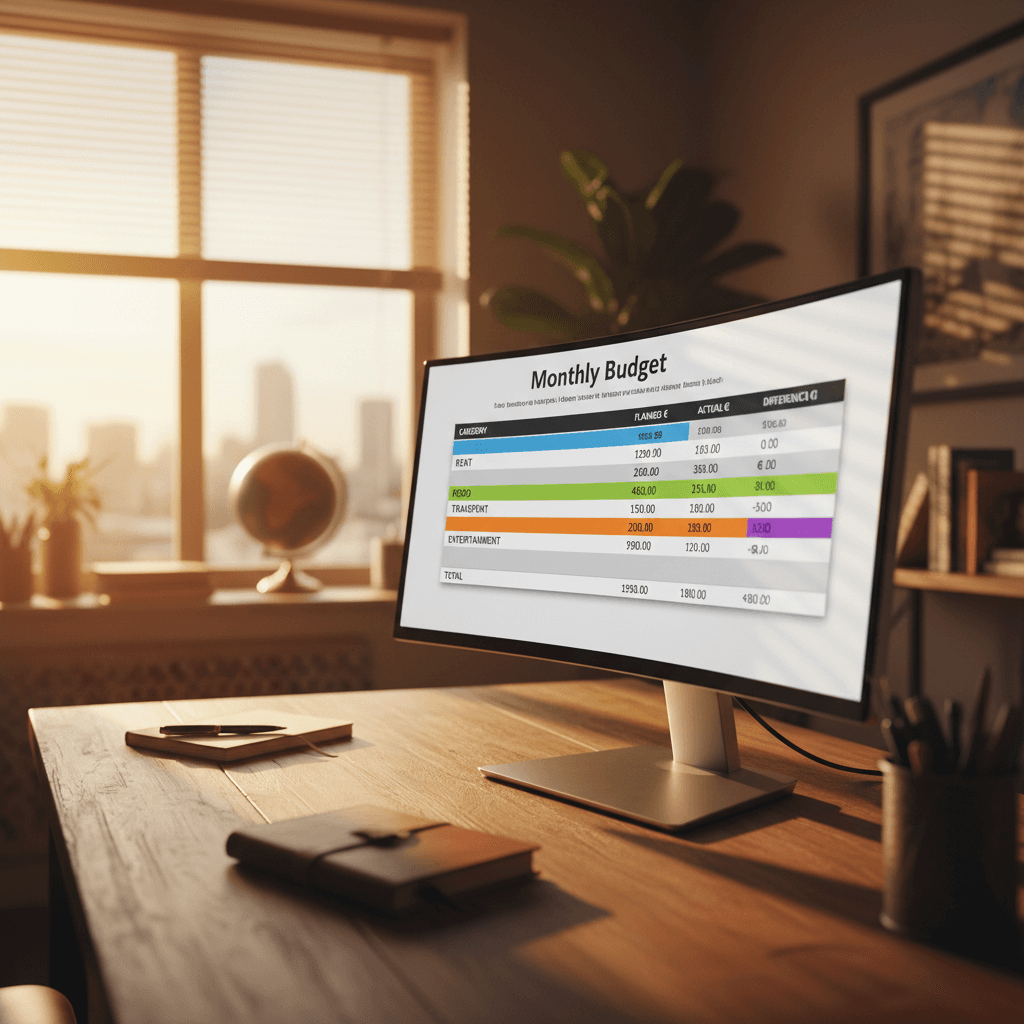
Before diving into city-by-city numbers, it helps to understand the main spending categories. Your monthly cost of living in Spain for students splits roughly as follows:
- Rent: 40-55% of your total budget (the single biggest variable)
- Groceries and eating out: 15-20%
- Transportation: 5-8%
- Utilities: 5-8% (electricity, water, internet, mobile)
- Health insurance: 3-5%
- Entertainment and social: 5-10%
- University fees and materials: Variable (most public master's programs charge EUR 1,500-4,500 per year)
The biggest factor in your total cost is which city you choose and what type of housing you pick. A shared room in Granada is a different financial universe from a studio apartment in central Barcelona.
City-by-City Comparison: Monthly Student Budgets in Spain
Here is a side-by-side comparison of average monthly costs across Spain's five main student cities. All figures are based on 2025-2026 price data and reflect typical student spending.
Category | Madrid | Barcelona | Valencia | Seville | Granada
Rent (room in shared flat) | EUR 400-700 | EUR 450-750 | EUR 300-500 | EUR 280-450 | EUR 250-400
Rent (studio apartment) | EUR 800-1,200 | EUR 850-1,300 | EUR 600-900 | EUR 550-800 | EUR 500-750
Groceries | EUR 180-250 | EUR 180-260 | EUR 150-220 | EUR 140-200 | EUR 130-190
Eating out | EUR 80-150 | EUR 90-160 | EUR 70-120 | EUR 60-110 | EUR 50-100
Transport (monthly pass) | EUR 20 (youth) | EUR 40 | EUR 35-45 | EUR 35-40 | EUR 25-35
Utilities | EUR 80-120 | EUR 80-130 | EUR 70-100 | EUR 65-95 | EUR 60-90
Health insurance | EUR 35-60 | EUR 35-60 | EUR 35-60 | EUR 35-60 | EUR 35-60
Entertainment | EUR 80-150 | EUR 90-160 | EUR 60-120 | EUR 50-100 | EUR 40-90
Monthly total (room) | EUR 1,000-1,500 | EUR 1,100-1,600 | EUR 800-1,200 | EUR 750-1,100 | EUR 700-1,000
Key observations:
- Madrid offers a surprise: the Abono Joven transport pass costs just EUR 20/month for under-26s, covering metro, bus, and commuter rail across the entire region. This is the lowest transport cost in any major European capital.
- Barcelona is the most expensive student city in Spain, driven by high rental demand and a tourism-inflated market.
- Valencia hits a sweet spot: significantly lower rent than Madrid or Barcelona, with comparable quality of life and infrastructure.
- Seville and Granada offer the lowest costs, though job and internship opportunities are more limited.
Madrid: The Capital Premium
Madrid attracts the largest share of international postgraduate students, thanks to universities like Universidad Complutense, Universidad Carlos III, and IE Business School.
Where students live: Moncloa, Arganzuela, Tetuán, and Lavapiés offer the best balance of rent and proximity to universities. Rooms in shared flats in these areas range from EUR 400-600/month. Barrio de Salamanca and Chamberí push above EUR 650 for a room.
Groceries: Mercadona, Lidl, and Carrefour Express are the go-to supermarkets. A weekly shop for one person typically runs EUR 40-60. Madrid's Mercado de Maravillas and Mercado de la Cebada offer fresh produce at competitive prices.
Eating out: The menu del dia (fixed-price lunch menu) is your best friend. Expect to pay EUR 11-14 in most neighborhoods for a three-course meal including a drink. Evening tapas range from EUR 2-5 per tapa in local bars away from Gran Via.
Transport: The EUR 20 Abono Joven is unbeatable. If you are over 26, the standard monthly pass costs EUR 55-75 depending on zone.
Barcelona: Higher Costs, Global Appeal
Barcelona's draw is undeniable — Universitat de Barcelona, Universitat Pompeu Fabra, and ESADE pull students from around the world. But the city's popularity comes at a price.
Where students live: Gracia, Sant Andreu, Sants, and Horta-Guinardo offer more reasonable rents (EUR 450-600 for a room). Eixample and the Gothic Quarter are significantly more expensive, often exceeding EUR 700 for a single room.
Groceries: Similar pricing to Madrid. Mercadona and Bonpreu are common choices. The Boqueria market is picturesque but overpriced for daily shopping — head to Mercat de Sant Antoni instead.
Transport: The T-Jove monthly pass (under 25) costs approximately EUR 40. Standard monthly passes run EUR 40-55. Barcelona is also highly bikeable, with Bicing (bike-sharing) available for EUR 50/year.
Valencia: Where Your Budget Goes Further
Valencia is where this guide goes deeper, because this city consistently offers the strongest value proposition for international students. The cost of living in Spain for students reaches its best balance in Valencia: affordable rent, excellent public transit, Mediterranean climate, and a growing international community.
Rent by Neighborhood
Neighborhood | Room (shared flat) | Studio | Character
Benimaclet | EUR 280-420 | EUR 550-750 | Student quarter, close to Universitat Politecnica and UV. Bohemian, affordable, lively.
Blasco Ibanez area | EUR 300-450 | EUR 600-800 | University campus strip. Walk to class. Busy during term, quiet in summer.
Ruzafa | EUR 350-500 | EUR 650-900 | Trendiest neighborhood. Cafes, galleries, nightlife. Higher rents reflect desirability.
Ciutat Vella | EUR 320-480 | EUR 600-850 | Historic center. Beautiful, but older buildings. Noise can be an issue.
Campanar | EUR 270-400 | EUR 520-720 | Residential, quieter. Good metro access. Larger apartments for the price.
Recommendation: For most postgraduate students, Benimaclet or the Blasco Ibanez area offers the best combination of proximity, price, and community. If nightlife and culture are priorities, Ruzafa is worth the premium.
Transportation in Valencia
Valencia is compact enough to cycle year-round. Your transport options:
- EMT bus + MetroValencia monthly pass: EUR 35-45 depending on zones
- Valenbisi (city bike-sharing): EUR 30/year — by far the most cost-effective option. Stations are everywhere in the city center.
- Walking: Most students can walk to campus in 15-30 minutes from nearby neighborhoods.
If you combine Valenbisi with an occasional bus ride, your monthly transport cost can drop to under EUR 10.
Groceries in Valencia
Valencia has a strong supermarket ecosystem:
- Mercadona: Headquartered in Valencia, so supply chain here is exceptionally efficient. Budget EUR 35-50/week for a balanced shop.
- Consum: Slightly pricier than Mercadona but strong on fresh produce and regional products.
- Lidl: Best for pantry staples and household items.
- Mercado Central: One of the largest fresh food markets in Europe. Not just for tourists — locals shop here for fish, meat, vegetables, and spices at competitive prices. Go early on weekday mornings for the best prices.
A student who shops at Mercadona for staples and visits Mercado Central once a week for fresh produce can eat well on EUR 150-200/month for home-cooked meals.
Eating Out in Valencia
Valencia's food scene is exceptional and accessible:
- Menu del dia: EUR 10-13 at most neighborhood restaurants. Often includes paella or fidegua as the first course, a protein main, bread, dessert, and a drink.
- Tapas: EUR 2-4 per tapa at local bars in Benimaclet, Carmen, and Ruzafa. Thursday evenings in Ruzafa are especially popular for ruta de tapas (tapas crawls).
- Horchata and fartons: Valencia's signature snack. EUR 3-4 at an orxateria — a cultural experience you should not miss.
Why Valencia Stands Out for Students
Valencia offers something that the numbers alone do not capture:
- Climate: Over 300 days of sunshine per year. The beach is reachable by bike or metro in under 20 minutes from most neighborhoods.
- Scale: Large enough to have everything (international airport, metro, hospitals, cultural events) but small enough that it never feels overwhelming.
- Student community: Universitat de Valencia and Universitat Politecnica de Valencia together enroll thousands of international students. Support networks, language exchanges, and student organizations are well-established.
- Job market growth: Valencia's tech sector is expanding, with increasing internship opportunities for postgraduate students — particularly in engineering, data science, and digital marketing.
- Quality of life per euro: When you combine rent savings (EUR 200-400/month less than Barcelona), lower food costs, and cycling as a viable daily transport option, the total financial advantage adds up to EUR 3,000-5,000 per year compared to Barcelona.
One-Off Relocation Costs
When budgeting for your move to Spain, factor in these initial costs that fall outside your monthly budget:
Item | Estimated Cost | Notes
Flight to Spain | EUR 200-800 | Depends on origin country and booking timing
First month rent + deposit | EUR 600-1,400 | Typically 1 month rent + 1 month deposit
NIE/TIE application fees | EUR 10-15 (NIE fee) + EUR 20 (TIE card) | Plus potential gestor assistance: EUR 80-150
Health insurance (first payment) | EUR 35-60 | Required for student visa
SIM card + phone setup | EUR 15-25 | Providers like Lycamobile, Digi, or Simyo
Bedding, kitchen basics, essentials | EUR 100-200 | IKEA, Tiger, and Primark Home are budget-friendly
Total one-off costs | EUR 980-2,650 | Varies significantly by origin country
Budget a minimum of EUR 1,500 for your arrival fund, separate from your first month's living expenses. If coming from outside Europe, plan for EUR 2,000-2,500 to be safe.
For a detailed walkthrough of the relocation process, see our guide to moving to Spain as an international student.
Money-Saving Tips Specific to Spain
These are not generic "cook at home" tips. These are Spain-specific strategies that experienced students rely on:
- Menu del dia, every day: Many restaurants offer this fixed-price lunch even to non-regulars. At EUR 10-13, it is often cheaper than cooking a comparable meal. Some students make this their main meal and eat light at home in the evening.
- Carnet Joven (European Youth Card): If you are under 30, apply for the Carnet Joven. It provides discounts at museums, gyms, shops, transport services, and cultural events across Spain. Cost: EUR 10-15 for a multi-year card.
- Student discounts on transport: Madrid's Abono Joven (EUR 20/month), Barcelona's T-Jove, and similar discounts in most cities. Always ask if a youth or student rate exists.
- BlaBlaCar for intercity travel: Weekend trips to other cities cost EUR 10-25 via BlaBlaCar (ride-sharing), compared to EUR 30-60 for the same journey by train.
- RENFE Avlo trains: Spain's low-cost high-speed train service offers fares starting at EUR 7 for routes like Madrid-Valencia, Madrid-Barcelona, and Madrid-Seville. Book 60 days in advance for the lowest fares.
- Mercadona's Hacendado brand: Mercadona's private label covers everything from olive oil to cleaning products at significant discounts. Quality is consistently good.
- University cafeterias: Campus canteens at public universities offer full meals for EUR 4-7. Universitat de Valencia's cafeteria is well-regarded.
- Free cultural activities: Most museums in Spain have free entry days (often the first Sunday of the month). Cities host free outdoor concerts, exhibitions, and festivals regularly.
- WhatsApp groups: Join your university's international student WhatsApp groups. Students frequently sell furniture, appliances, and textbooks at steep discounts to departing classmates.
- Open a Spanish bank account early: Banks like Openbank (Santander) or Sabadell offer no-fee accounts for students. This avoids foreign transaction fees on everyday purchases.
Three Sample Monthly Budgets
To give you a practical framework, here are three budget scenarios based on a student living in Valencia with a room in a shared apartment:
Tight Budget: EUR 800/month
Category | Amount
Rent (room, Benimaclet/Campanar) | EUR 300
Groceries (Mercadona + Mercado Central) | EUR 150
Eating out (menu del dia x4, tapas x2) | EUR 60
Transport (Valenbisi + occasional bus) | EUR 10
Utilities (shared) | EUR 70
Health insurance | EUR 40
Phone (Digi/Simyo prepaid) | EUR 10
Entertainment | EUR 40
University materials | EUR 20
Buffer | EUR 100
Total | EUR 800
This budget works. It requires discipline with eating out and entertainment, but it is realistic for Valencia. It would be very tight in Madrid or Barcelona.
Comfortable Budget: EUR 1,100/month
Category | Amount
Rent (room, Ruzafa/Blasco Ibanez) | EUR 420
Groceries | EUR 180
Eating out (menu del dia x6, tapas x4) | EUR 100
Transport (monthly pass) | EUR 40
Utilities (shared) | EUR 80
Health insurance | EUR 45
Phone (contract) | EUR 15
Entertainment and social | EUR 80
University materials | EUR 20
Buffer / savings | EUR 120
Total | EUR 1,100
This is the sweet spot for most students. You can eat well, go out regularly, and not stress about every purchase.
Generous Budget: EUR 1,500/month
Category | Amount
Rent (studio, Ruzafa/Ciutat Vella) | EUR 700
Groceries | EUR 200
Eating out | EUR 150
Transport | EUR 40
Utilities | EUR 100
Health insurance | EUR 50
Phone (contract) | EUR 20
Gym membership | EUR 30
Entertainment and social | EUR 120
University materials | EUR 20
Buffer / travel | EUR 70
Total | EUR 1,500
At this level, you have your own space, eat out frequently, and have room for weekend trips. In Madrid, this budget gives you a comfortable room in a shared flat; in Valencia, it covers a studio.
Public University Fees: Often Overlooked
Tuition is not included in the monthly budgets above, but it is worth noting how affordable Spanish public universities are compared to the UK or US:
- Public master's programs: EUR 1,500-4,500/year (60 ECTS)
- PhD programs: EUR 300-600/year at public universities
- Private universities: EUR 8,000-25,000/year (varies widely)
For EU/EEA students, public university fees are at the lower end. Non-EU students may pay higher rates at some autonomous communities, but even the highest public fees are a fraction of UK or US tuition. For more on choosing the right program, see our postgraduate programs in Spain overview.
Conclusion
The cost of living in Spain for students is among the lowest in Western Europe, and the gap widens when you factor in quality of life. Whether you prioritize the career opportunities of Madrid, the cultural energy of Barcelona, or the balance that Valencia provides, Spain offers a financially viable path to a world-class postgraduate education.
Valencia deserves particular attention. With monthly costs of EUR 800-1,200 for a comfortable student life, strong university infrastructure, and a growing international community, it represents the best cost-to-quality ratio among Spain's major student cities.
Your first step is getting the numbers right for your specific situation. We build personalized relocation budgets for postgraduate students — covering housing, transport, insurance, and the administrative steps you need to complete before arrival.