Postgrad Spain
How to Save Money as a Student in Spain: 15 Strategies That Actually Work
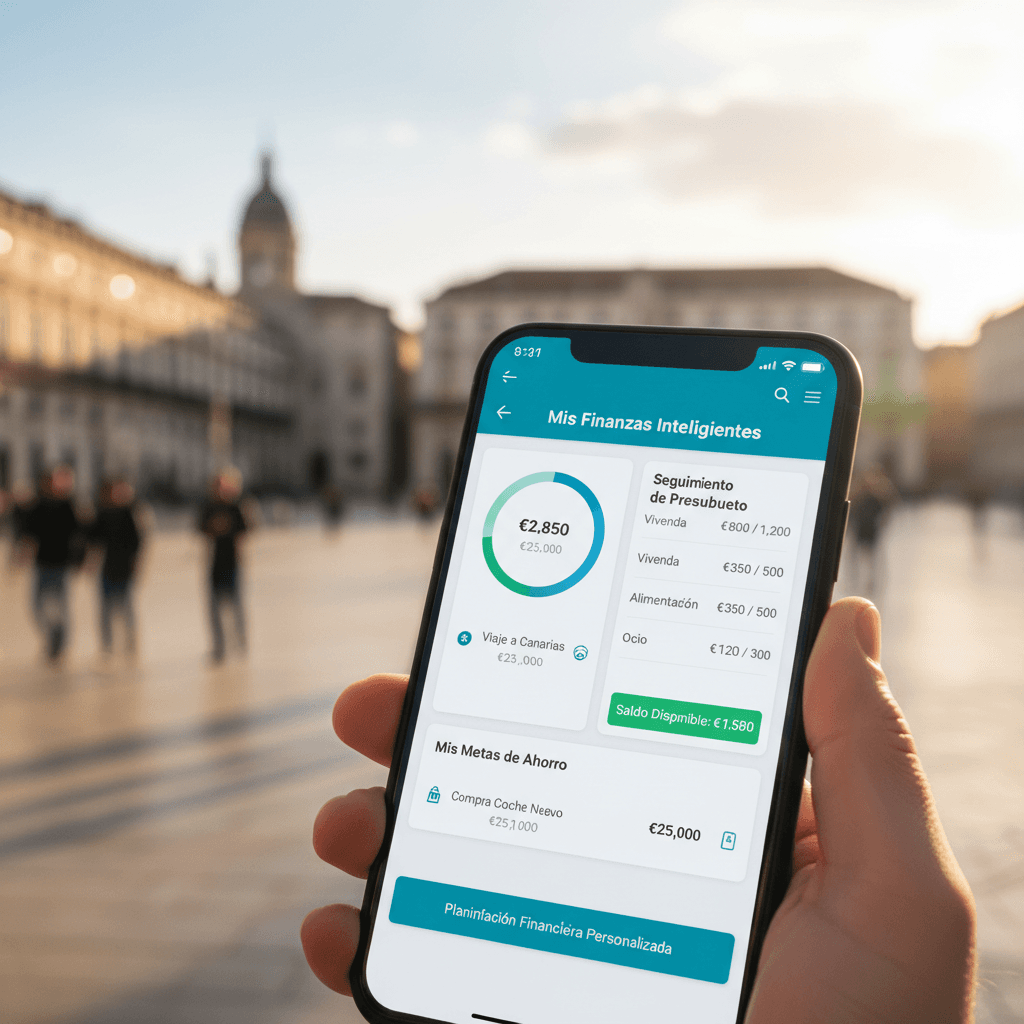
Living in Spain as an international student is already more affordable than most of Western Europe, but smart choices can stretch your budget significantly further. The difference between a student who knows these strategies and one who does not can be EUR 200-400 per month — that is EUR 2,000-4,000 over an academic year.
These are not theoretical tips. Every strategy on this list is used by real students living in Spain right now. Some will save you a few euros per week; others will save you hundreds per month. Combined, they can cut your monthly expenses by 20-30%.
For a baseline understanding of what things cost, see our complete cost of living guide for students in Spain.
1. Get the Carnet Joven (Youth Card)
The Carnet Joven (also called Carnet Jove in Catalonia or Euro<26 card) is available to anyone under 30 (age limit varies by community) and costs EUR 5-15 depending on your autonomous community. It unlocks discounts on:
- Transport (up to 50% off intercity buses and trains)
- Museums and cultural venues (free or reduced entry)
- Cinemas (up to 30% off)
- Some gyms and sports facilities
- Selected shops and restaurants
How to get it: Apply at your local youth office (Oficina de Juventud) or online through your community's youth portal. You need your NIE or TIE and proof of enrollment.
Annual savings: EUR 100-300 depending on usage.
2. Master the Menu del Dia
The menu del dia is Spain's best-kept open secret for eating well on a budget. For EUR 10-15, you get a three-course meal: first course (soup, salad, or pasta), second course (meat or fish with sides), dessert or coffee, and bread and a drink (often including wine or beer).
Strategy: Eat your main meal at lunch using the menu del dia, and have a light dinner at home. This is how most Spanish workers eat, and it dramatically reduces what you spend on food.
- Menu del dia: EUR 10-13 in most cities (EUR 8-10 in smaller towns)
- Light dinner at home: EUR 2-4 (bread, cheese, fruit, eggs)
- Daily food cost: EUR 12-17 vs EUR 20-30 if eating restaurant meals
Monthly savings vs eating out: EUR 150-300.
3. Shop Mercadona's Hacendado Brand
Mercadona is Spain's largest supermarket chain, and its private-label brand Hacendado (for food) and Deliplus (for personal care) offers quality comparable to name brands at 30-50% lower prices. Students who shop exclusively Hacendado report grocery bills 30-40% lower than those buying brand names.
Top Hacendado picks for students: Olive oil, canned tuna, pasta, rice, yogurt, frozen vegetables, cleaning supplies, shampoo, and laundry detergent.
Other budget supermarkets: Lidl (excellent bakery, cheap produce), Aldi (limited selection but very cheap), and Dia (good promotions, loyalty card with extra discounts).
Monthly savings: EUR 50-80 vs name-brand shopping.
4. Use Avlo and Ouigo for Cheap Train Travel
Avlo (RENFE's low-cost high-speed service) and Ouigo (French-operated budget high-speed trains) have transformed intercity travel in Spain. You can travel between major cities for as little as EUR 7-15 one way.
Route | Avlo/Ouigo Price | Standard AVE Price
Madrid - Barcelona | EUR 7-25 | EUR 60-120
Madrid - Valencia | EUR 7-20 | EUR 40-80
Madrid - Seville | EUR 9-25 | EUR 50-90
Barcelona - Valencia | EUR 9-20 | EUR 35-70
Strategy: Book 2-3 months in advance for the lowest prices. Both services sell tickets online only. Avlo allows one small bag; Ouigo allows one carry-on and one small bag for free.
Annual savings: EUR 200-500 if you travel monthly.
Planning your student life in Spain? Our team can help you budget, find housing, and navigate your first months — with a personalized relocation plan in 48 hours. Get your plan.
5. Use BlaBlaCar for Medium-Distance Travel
BlaBlaCar is a ride-sharing platform widely used in Spain. Drivers post trips and passengers book seats, splitting fuel costs. Typical prices are 40-60% cheaper than bus tickets and 50-70% cheaper than trains.
- Madrid to Toledo: EUR 5-8 (vs EUR 12 by bus)
- Valencia to Alicante: EUR 8-12 (vs EUR 18 by bus)
- Barcelona to Tarragona: EUR 6-10 (vs EUR 15 by bus)
Strategy: Great for weekend trips and visiting friends in nearby cities. Book the day before or morning of for best availability.
6. Get the Student Transport Pass
Every major Spanish city offers discounted transport passes for students or young people:
City | Pass Name | Monthly Cost | What It Covers
Madrid | Abono Joven (<26) | EUR 20 | All metro, bus, cercanias in region
Barcelona | T-Jove (quarterly) | ~EUR 13/month | Metro, bus, tram (zone-based)
Valencia | Bonometro / Carnet Joven | EUR 0-10 | Metro and bus discounts
Seville | Tarjeta joven | EUR 15-20 | Metro and bus
Granada | Student card | EUR 10-15 | Bus discounts
Monthly savings: EUR 30-60 vs paying per trip.
7. Cook in Batches on Sundays
Batch cooking is one of the highest-impact savings strategies. Spending 2-3 hours on Sunday preparing meals for the week eliminates the temptation to eat out on busy days.
Student batch-cooking staples (cost per serving: EUR 1-2):
- Lentil stew (lentejas): EUR 0.80/serving
- Chicken and rice: EUR 1.20/serving
- Pasta with tomato sauce: EUR 0.70/serving
- Tortilla espanola: EUR 0.90/serving
- Vegetable soup: EUR 0.60/serving
A week of home-cooked meals costs EUR 25-40. The same meals eaten out would cost EUR 70-120.
Monthly savings: EUR 120-200.
8. Use Wallapop for Furniture and Supplies
Wallapop is Spain's largest second-hand marketplace app. When you arrive in Spain, do not buy new furniture, kitchen supplies, or textbooks. Check Wallapop first.
What students commonly find on Wallapop:
- Desk and chair: EUR 20-50 (vs EUR 80-200 new)
- Textbooks: EUR 5-15 (vs EUR 30-60 new)
- Kitchen starter kit (pots, pans, utensils): EUR 10-25
- Bicycle: EUR 30-80 (vs EUR 150+ new)
- Winter coat: EUR 10-30
Strategy: Search by your city and set up alerts for items you need. At the end of the academic year (May-June), departing students flood Wallapop with nearly-new items at giveaway prices.
One-time savings: EUR 200-500 on setup costs.
9. Take Advantage of Free Museum Days
Most major museums in Spain offer free entry on specific days or times:
- Prado Museum (Madrid): Free Mon-Sat 6:00-8:00 PM, Sundays 5:00-7:00 PM
- Reina Sofia (Madrid): Free Mon, Wed-Sat 7:00-9:00 PM, Sundays 1:30-7:00 PM
- MACBA (Barcelona): Free Saturdays 4:00-8:00 PM
- IVAM (Valencia): Free Sundays
- Alcazar (Seville): Free Mondays (residents/students)
Many museums also offer permanent free entry with a student card or Carnet Joven.
10. Use University Sports Facilities
Your university enrollment typically includes access to sports facilities — gym, pool, tennis courts, and group classes — for free or at heavily subsidized rates (EUR 0-30/month). A commercial gym membership costs EUR 30-60/month.
Strategy: Check what your university offers before signing up for a private gym. Most Spanish public universities have excellent sports facilities that students underuse.
Monthly savings: EUR 20-50.
11. Share Your Phone Plan
Spanish mobile operators offer family or multi-line plans that reduce per-person costs dramatically:
- Digi: EUR 10/month for unlimited calls + 50 GB data (already cheap individually)
- O2/Pepephone: EUR 15-20/month for a single line, but EUR 10-12 with a multi-line discount
- Shared Wi-Fi: Negotiate with flatmates to split one fiber connection (EUR 8-10/person vs EUR 30+ alone)
Monthly savings: EUR 10-20.
12. Take Advantage of Student Banking
Several Spanish banks offer zero-fee accounts for students under 30:
- Openbank (Santander digital): No fees, no minimum balance, free debit card
- BBVA: Student account with no maintenance fees under 26
- N26/Revolut: No-fee accounts with free euro transfers and good exchange rates for receiving money from abroad
Avoid accounts with monthly maintenance fees (EUR 3-8/month add up to EUR 36-96/year).
Annual savings: EUR 36-100.
Want a complete money-saving playbook tailored to your city? Our advisors build personalized relocation plans that include city-specific budget strategies and housing recommendations. Get yours in 48 hours. Contact us on WhatsApp.
13. Buy a Used Bicycle
In flat cities like Valencia, Seville, and central Barcelona, a bicycle eliminates transport costs entirely. A used bike on Wallapop costs EUR 30-80 and will last the full academic year.
Cost comparison (10 months):
- Used bicycle: EUR 50 (one-time) + EUR 20 lock = EUR 70 total
- Monthly transport pass: EUR 20/month x 10 = EUR 200 total
- Per-trip tickets: EUR 1.50/trip x 40 trips/month x 10 = EUR 600 total
Savings over an academic year: EUR 130-530 depending on what you would otherwise spend.
14. Use Student Discounts Everywhere
Beyond the Carnet Joven, your university student ID (carnet universitario) unlocks discounts you may not know about:
- Cinemas: EUR 5-6 on student discount days (vs EUR 9-11 regular)
- Amazon Prime: 50% off (EUR 18/year vs EUR 36)
- Spotify: EUR 5.99/month (vs EUR 10.99)
- Apple Music: EUR 5.99/month (vs EUR 10.99)
- Software: Free access to Microsoft Office 365, GitHub Pro, and JetBrains through university programs
- Clothing: 10-15% student discounts at ASOS, H&M, and other retailers
- Travel insurance: Reduced rates through university partnerships
Annual savings: EUR 100-200.
15. Time Your Grocery Shopping
Spanish supermarkets mark down fresh products that are approaching their sell-by date. Shopping in the evening (after 7 PM) at Mercadona, Lidl, or Carrefour can yield 30-50% discounts on bread, pastries, prepared foods, and fresh produce.
Additional strategies:
- Buy seasonal fruits and vegetables (watermelon in summer, oranges in winter) for lowest prices
- Check the "ultimas unidades" or clearance shelves
- Use the Too Good To Go app to buy surprise bags of unsold food from bakeries and restaurants for EUR 3-5
Monthly savings: EUR 20-40.
Total Potential Monthly Savings
Strategy | Monthly Savings
Menu del dia lunches | EUR 100-200
Hacendado/budget groceries | EUR 50-80
Batch cooking | EUR 120-200
Student transport pass | EUR 30-60
Free sports facilities | EUR 20-50
Shared phone plan | EUR 10-20
Student discounts | EUR 10-20
Evening grocery shopping | EUR 20-40
Total range | EUR 200-400/month
Not every strategy will apply to your situation, but implementing even half of these will save you EUR 100-200 per month — and over an academic year, that adds up to EUR 1,000-2,000.
For detailed monthly budget templates that incorporate these strategies, see our student budget templates for Spain.
Moving to Spain and want to start on the right foot? Our relocation plan includes city-specific budget projections, housing options, and enrollment guidance — delivered in 48 hours. Get your personalized plan.